
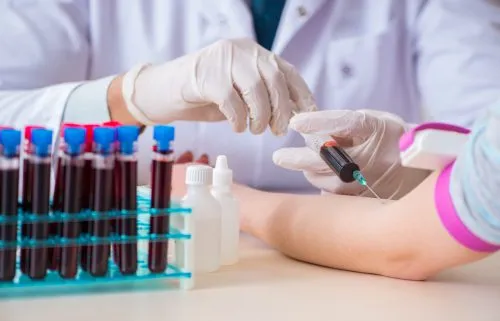
Have you ever been asked to come for a fasting blood test and wondered why you cannot eat or drink before the test? Fasting is an important part of preparation for certain blood tests because food and beverages can temporarily change the levels of glucose, triglycerides, cholesterol and other substances in your blood.
If your doctor has recommended a fasting blood test in Pune, understanding the correct preparation can help you get more reliable laboratory results and avoid having to repeat the test.
At Sunrise Diagnostics, Kothrud, Pune, patients can access a range of blood tests and diagnostic services with convenient testing facilities.
What Is a Fasting Blood Test?
A fasting blood test is a laboratory test performed after you have avoided food and certain beverages for a specified period.
For many commonly ordered fasting blood tests, the fasting period is usually 8 to 12 hours, although the exact duration depends on the test and your doctor’s instructions. During fasting, plain water is generally allowed.
Fasting helps provide a more consistent baseline measurement because eating can temporarily increase blood glucose, triglycerides and other nutrients in the bloodstream.
Why Is Fasting Required Before a Blood Test?
When you eat, your body begins digesting and absorbing nutrients such as carbohydrates, fats and proteins. These nutrients enter your bloodstream and can temporarily change certain laboratory values.
For example:
- Eating can increase blood glucose levels.
- A meal can temporarily increase triglycerides.
- Certain foods and drinks may influence metabolic measurements.
- Food intake can make some test results more difficult to interpret.
Therefore, fasting may be recommended when your doctor needs a clearer baseline measurement.
The purpose of fasting is not to make the test more effective, but to help ensure that the result accurately reflects the condition being evaluated.
Which Blood Tests Usually Require Fasting?
Not every blood test requires an empty stomach. Some of the most common tests for which fasting may be required include the following.
1. Fasting Blood Sugar Test
A Fasting Blood Sugar (FBS) test measures the amount of glucose in your blood after a period of fasting.
It is commonly used to evaluate blood sugar levels and help assess conditions such as diabetes and prediabetes.
Eating before an FBS test can increase blood glucose and affect the result. Therefore, when a doctor specifically orders a fasting glucose test, following the prescribed fasting period is important.
2. Lipid Profile / Cholesterol Test
A lipid profile measures blood fats such as cholesterol and triglycerides.
Depending on the clinical situation and the specific lipid testing protocol, your doctor may recommend fasting before the test. Triglyceride levels can be affected by recent food intake, which is one reason fasting may be advised.
A fasting lipid profile may be recommended when your doctor wants standardized measurements or when triglyceride levels need careful assessment.
Related searches:
- lipid profile test in Pune
- cholesterol test in Kothrud Pune
- fasting lipid profile test near Kothrud
- best diagnostic centre for lipid profile in Pune
3. Fasting Insulin Test
A fasting insulin test measures insulin levels after a specified period without food.
Because food intake can influence insulin and blood glucose levels, your doctor may ask you to fast before this test.
The required fasting period should be confirmed with your doctor or diagnostic laboratory.
4. Glucose Tolerance Test
A Glucose Tolerance Test (GTT/OGTT) evaluates how the body processes glucose.
The test generally involves fasting before the initial blood sample, followed by administration of a glucose-containing drink and additional blood samples at specified intervals.
Because the procedure follows a specific protocol, patients should carefully follow the instructions provided by their doctor or laboratory.
5. Some Metabolic Panels
Some basic metabolic panels (BMP) or comprehensive metabolic panels (CMP) may require fasting depending on what the doctor wants to evaluate.
These panels can include measurements related to blood glucose, electrolytes and kidney or liver function. Whether fasting is required depends on the exact panel and clinical purpose.
Which Blood Tests Usually Do NOT Require Fasting?
One of the most common misconceptions is that every blood test requires fasting. This is not true.
Several routine tests can generally be performed without fasting.
Complete Blood Count (CBC)
A CBC test measures blood components such as red blood cells, white blood cells and platelets. Routine CBC testing generally does not require fasting.
Thyroid Profile
Common thyroid tests such as TSH, T3 and T4 generally do not require fasting. However, always follow any specific instructions given by your doctor.
HbA1c Test
An HbA1c test provides an estimate of average blood glucose levels over approximately the previous two to three months and does not generally require fasting.
Vitamin Tests
Common vitamin tests such as Vitamin D and Vitamin B12 may often be performed without fasting, although requirements can vary depending on the laboratory and whether multiple tests have been ordered together.
Kidney and Liver Tests
Routine kidney and liver function tests do not always require fasting. However, certain panels or combinations of tests may have specific preparation requirements. Therefore, confirm the instructions before your appointment.
How Many Hours Should You Fast Before a Blood Test?
For many fasting blood tests, the typical fasting period is 8 to 12 hours.
However, there is no single fasting duration that applies to every test.
Your doctor or diagnostic centre may give you specific instructions depending on:
- The type of blood test
- The combination of tests ordered
- Your medical history
- Medications you take
- The laboratory’s testing protocol
If you have been instructed to fast, an early-morning appointment can make the process easier because most of the fasting period can occur while you sleep.
Can You Drink Water During a Fasting Blood Test?
In most cases, plain water is allowed during fasting and can help you remain hydrated.
However, you should avoid beverages that contain calories or other substances unless your doctor or laboratory specifically tells you otherwise.
During a fasting period, avoid:
- Tea
- Coffee
- Milk
- Juice
- Soft drinks
- Sugary beverages
- Alcohol
Even drinks that seem harmless may affect certain test results.
Can You Smoke or Chew Gum Before a Fasting Blood Test?
It is generally recommended to avoid smoking and chewing gum during the fasting period because they may affect certain physiological measurements and can interfere with proper test preparation. Strenuous exercise should also be avoided when fasting unless your healthcare provider gives different instructions.
What About Medicines During Fasting?
Do not stop prescription medicines on your own just because you have a fasting blood test.
Some medicines may need to be taken as usual, while others may have specific instructions depending on the test.
If you take medicines for:
- Diabetes
- Blood pressure
- Thyroid conditions
- Cholesterol
- Other chronic conditions
ask your doctor or the diagnostic centre whether you should take them before the blood sample.
What If You Accidentally Eat Before a Fasting Blood Test?
If you accidentally eat or drink something other than plain water before a test that requires fasting, inform the laboratory staff before your blood sample is collected.
Depending on the test, the laboratory or doctor may recommend proceeding, recording the non-fasting status, or rescheduling the test.
Do not hide the fact that you have eaten because recent food intake can affect the interpretation of certain results.
Tips for Preparing for a Fasting Blood Test
Follow these simple steps for a smoother testing experience:
1. Confirm whether fasting is actually required
Not every blood test needs fasting. Check your prescription or ask your doctor/laboratory.
2. Schedule a morning appointment
Morning appointments are often convenient because most of the fasting period can happen overnight.
3. Eat a normal meal before starting your fast
Unless your doctor gives different instructions, avoid unusually heavy or fatty meals before the fasting period.
4. Drink plain water
Staying hydrated can make the blood collection process easier.
5. Avoid tea and coffee
Even without sugar, coffee and tea may not be appropriate for a strict fasting test.
6. Avoid smoking and strenuous exercise
Follow the preparation instructions provided by your healthcare professional.
7. Inform the laboratory about medicines
Tell the laboratory staff about relevant medications and follow your doctor’s instructions.
8. Carry your prescription and previous reports
If your doctor has prescribed multiple tests, having the prescription available helps the laboratory identify the correct testing requirements.
Fasting Blood Test vs Non-Fasting Blood Test
| Test | Fasting Usually Required? |
| Fasting Blood Sugar (FBS) | Yes |
| Fasting Insulin | Usually yes |
| Glucose Tolerance Test | Usually yes |
| Lipid Profile | May be required depending on the test and clinical situation |
| CBC | Usually no |
| HbA1c | Usually no |
| Thyroid Profile (TSH, T3, T4) | Usually no |
| Vitamin D | Usually no |
| Vitamin B12 | Usually no |
| Kidney Function Tests | Usually no, depending on the panel |
| Liver Function Tests | Depends on the specific test/panel |
| Metabolic Panel | Depends on the specific panel |
Important: Fasting requirements can vary according to the exact test, doctor’s instructions and laboratory protocol. Always confirm before your sample collection.
Why Choose Sunrise Diagnostics in Kothrud, Pune?
If you are looking for a diagnostic centre in Kothrud, Pune for blood testing, Sunrise Diagnostics provides diagnostic and laboratory services in the Kothrud area.
Sunrise Diagnostics is located on Karve Road near Vandevi Mandir, Kothrud, Pune. The centre provides blood testing and a range of diagnostic services.
Patients looking for a blood test in Kothrud Pune, diagnostic centre near Kothrud, or convenient laboratory testing in Pune can contact the centre to confirm test availability and preparation requirements.
Frequently Asked Questions About Fasting Blood Tests
1. How long should I fast before a blood test?
Many fasting blood tests require approximately 8–12 hours of fasting, but the exact duration depends on the test. Follow your doctor’s or laboratory’s instructions.
2. Can I drink water while fasting for a blood test?
Plain water is generally allowed during fasting. Avoid other beverages unless specifically permitted by your healthcare provider.
3. Can I drink tea or coffee before a fasting blood test?
For a strict fasting test, it is safest to avoid tea and coffee and follow the laboratory’s instructions.
4. Does a CBC blood test require fasting?
A routine CBC generally does not require fasting.
5. Do I need to fast for a thyroid test?
Routine thyroid tests such as TSH, T3 and T4 generally do not require fasting.
6. Does HbA1c require fasting?
Generally, no. HbA1c reflects average blood glucose over the preceding few months and is not dependent on whether you have recently eaten.
7. Can I take my medicines before a fasting blood test?
Do not stop or change your medication without medical advice. Ask your doctor whether your regular medicines should be taken before the test.
8. What happens if I eat before a fasting blood test?
Tell the laboratory staff before your sample is collected. Depending on the test, you may need to reschedule or the result may need to be interpreted as a non-fasting sample.
9. Is fasting necessary for every blood test?
No. Many blood tests do not require fasting. Fasting is mainly important for specific tests where food intake can significantly affect the measurements.
10. Where can I get a fasting blood test in Kothrud, Pune?
You can contact Sunrise Diagnostics in Kothrud, Pune to check the availability of your prescribed blood test and confirm the required fasting instructions before visiting.
Book Your Blood Test in Kothrud, Pune
Proper preparation is an important part of getting reliable laboratory results. If your doctor has prescribed a fasting blood test in Pune, make sure you understand the required fasting duration and preparation instructions before visiting the laboratory.
For blood tests in Kothrud, Pune, contact Sunrise Diagnostics to confirm test availability, preparation requirements and other details.
Call Now: 9028801188, 9028566644, 9028566611