
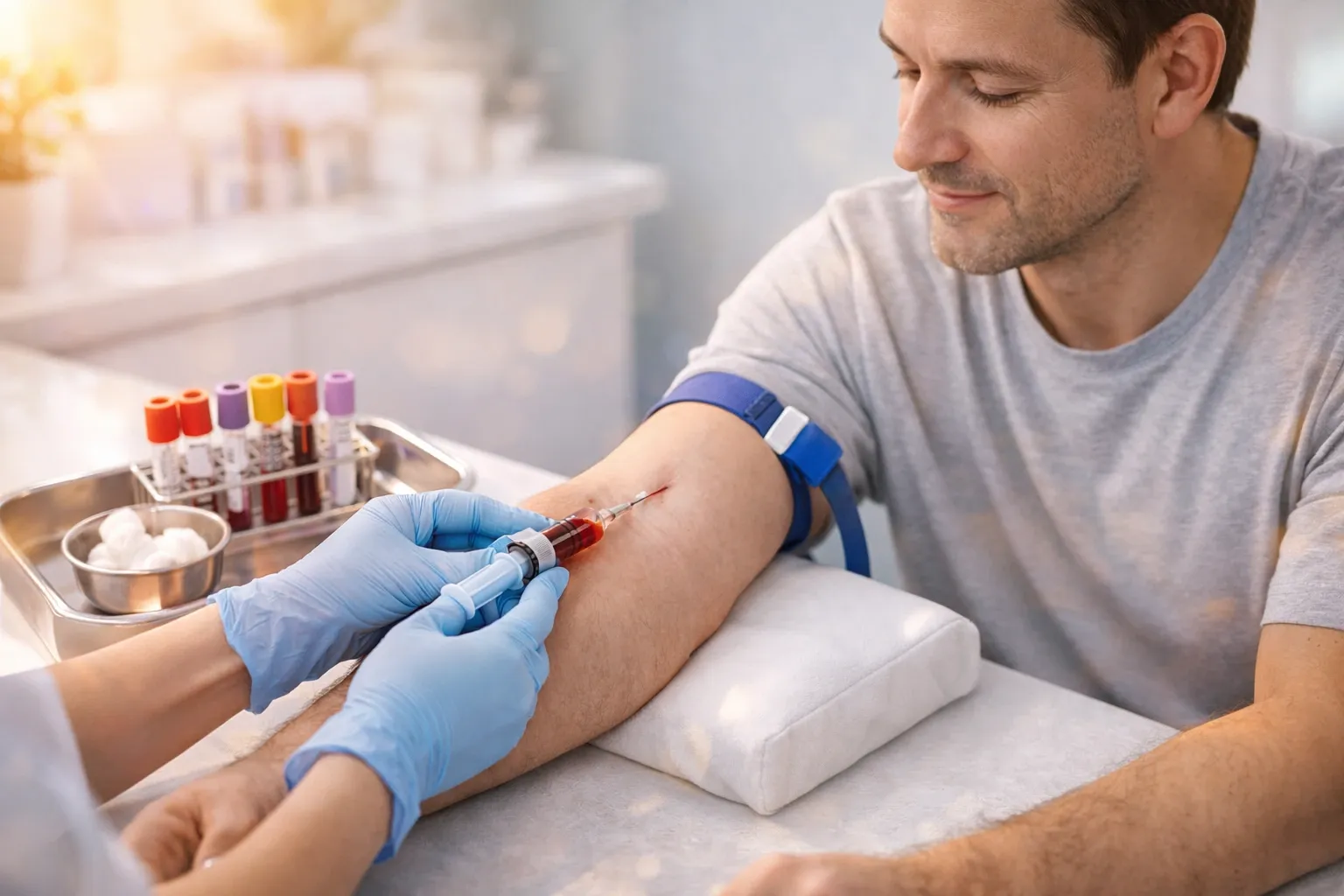
An annual health checkup is an important part of preventive healthcare. Even when you feel healthy, certain health conditions can develop without noticeable symptoms in their early stages. Routine blood tests can provide valuable information about your blood cells, blood sugar, cholesterol, thyroid function, liver health, kidney function, and nutritional status.
For people looking for a diagnostic centre in Kothrud, Pune, Sunrise Diagnostic Center provides diagnostic testing services to support routine health monitoring and doctor-recommended investigations.
Below are 10 commonly considered blood tests that may form part of an annual health assessment. The tests you actually need can vary depending on your age, medical history, symptoms, medications, family history, and your doctor’s recommendations.
1. Complete Blood Count (CBC)
A Complete Blood Count (CBC) is one of the most commonly ordered blood tests. It measures different components of blood, including red blood cells, white blood cells, hemoglobin and platelets.
A CBC can help doctors investigate conditions such as anemia, infections and certain blood-related abnormalities. It may also be recommended when symptoms such as persistent tiredness, weakness, recurrent infections or unexplained changes in health are present.
2. Fasting Blood Sugar
A fasting blood sugar test measures the level of glucose in your blood after fasting for a specified period.
It is commonly used for screening and monitoring blood sugar levels. People with risk factors for diabetes may be advised to undergo regular testing based on their doctor’s recommendations.
If you have a family history of diabetes, excess weight, high blood pressure or other risk factors, your doctor may recommend appropriate diabetes screening.
3. HbA1c Test
The HbA1c test provides an estimate of average blood glucose levels over approximately the previous two to three months.
Unlike a fasting blood sugar test, HbA1c does not require fasting in most cases. It is commonly used for diabetes screening and monitoring.
Your doctor may recommend HbA1c testing depending on your age, risk factors, symptoms and existing health conditions.
4. Lipid Profile
A lipid profile evaluates several types of fats in the blood, commonly including total cholesterol, LDL cholesterol, HDL cholesterol and triglycerides.
Cholesterol levels are important when assessing cardiovascular risk. Your doctor may recommend periodic lipid testing, particularly if you have risk factors such as a family history of cardiovascular disease, diabetes, obesity or high blood pressure.
5. Liver Function Test (LFT)
Liver Function Tests assess various substances in the blood that can provide information about liver health. Depending on the panel, these may include enzymes and proteins such as ALT, AST, alkaline phosphatase, bilirubin and albumin.
LFTs may be recommended when monitoring liver-related conditions, evaluating certain symptoms or checking the effects of particular medications.
6. Kidney Function Test
Kidney function testing helps assess how well your kidneys are working. Blood investigations may include measurements such as creatinine and blood urea nitrogen, with estimated kidney function calculated from relevant results.
Kidney problems can sometimes develop without obvious symptoms. People with conditions such as diabetes or high blood pressure may require regular kidney monitoring as advised by their doctor.
7. Thyroid Function Test
Thyroid testing commonly includes TSH, and depending on the clinical situation, T4 and sometimes T3.
Thyroid hormone abnormalities can be associated with symptoms such as unexplained weight changes, tiredness, changes in heart rate, temperature sensitivity and menstrual irregularities. Testing should be interpreted in relation to symptoms and clinical history.
8. Vitamin D Test
Vitamin D plays an important role in bone health and other body functions. A blood test can measure vitamin D levels when testing is clinically appropriate.
Your doctor may recommend vitamin D testing based on symptoms, risk factors, dietary factors, limited sun exposure or other health considerations.
9. Vitamin B12 Test
Vitamin B12 is important for red blood cell formation and normal nervous-system function. A B12 test may be considered when deficiency is suspected.
People with certain dietary patterns, absorption problems or other risk factors may be more likely to develop B12 deficiency. Symptoms can vary and may include fatigue, weakness or neurological symptoms.
10. Iron Studies
Iron-related testing can help evaluate iron status, particularly when iron deficiency or anemia is suspected. Depending on the situation, testing may include serum ferritin, serum iron, transferrin or total iron-binding capacity.
Women with heavy menstrual bleeding and people with symptoms or medical conditions associated with iron deficiency may be advised to undergo appropriate testing.
Who Should Get an Annual Blood Test?
The need for annual testing is not identical for everyone. Your healthcare provider may recommend specific investigations based on:
- Age and overall health
- Family medical history
- Existing health conditions
- Diet and lifestyle
- Medications
- Previous laboratory results
- Current symptoms
- Personal risk factors
A healthy person may not require every test listed above every year. Testing should ideally be based on individual healthcare needs rather than ordering every available investigation.
How Should You Prepare for Blood Tests?
Preparation depends on the tests being performed. Some blood tests may require fasting, while others generally do not.
Before your appointment, confirm with the diagnostic centre or your doctor whether fasting is required. Follow the instructions provided regarding food, beverages, medications and other preparation requirements. Do not stop prescribed medication unless your doctor specifically tells you to do so.
If multiple tests are being performed together, the preparation requirements may differ depending on the individual investigations.
Why Choose Sunrise Diagnostic Center in Kothrud, Pune?
Sunrise Diagnostic Center, Kothrud, Pune, provides diagnostic testing to support routine health assessments and doctor-recommended investigations.
If you are planning an annual health checkup, discuss your requirements with your healthcare provider and choose the investigations appropriate for your individual health profile.
Frequently Asked Questions
1. Which blood tests are commonly included in an annual health checkup?
Common investigations may include CBC, blood glucose testing, HbA1c, lipid profile, liver and kidney function tests, thyroid testing, vitamin D, vitamin B12 and iron studies. The exact tests depend on individual requirements.
2. Do all blood tests require fasting?
No. Some tests require fasting, while others generally do not. Your doctor or diagnostic centre can provide specific preparation instructions based on the tests prescribed.
3. How often should I get a blood test?
There is no single testing schedule for everyone. The frequency depends on your age, health conditions, risk factors, medications and previous results. Follow the schedule recommended by your healthcare provider.
4. Can I have a blood test if I feel completely healthy?
Yes. Some blood tests may be used as part of preventive health assessments. However, which tests are appropriate should be determined according to your individual health profile.
5. Can blood tests detect diabetes early?
Blood glucose and HbA1c tests can help identify abnormal blood sugar levels and are commonly used for diabetes screening. Your doctor can determine which test is appropriate for you.
6. Can one blood test detect all health problems?
No. Different tests provide information about different aspects of health, and laboratory tests cannot identify every health condition. Your doctor may recommend additional investigations based on your symptoms and medical history.
7. Can I take my regular medicines before a blood test?
It depends on the medicine and the test. Do not discontinue prescribed medication without medical advice. Ask your doctor or diagnostic centre about any specific instructions before testing.
8. Where can I get blood tests in Kothrud, Pune?
Patients looking for a diagnostic centre in Kothrud, Pune can consider Sunrise Diagnostic Center for laboratory investigations based on their healthcare requirements and doctor’s recommendations.
Conclusion
Regular health monitoring can help identify changes that may otherwise go unnoticed. Tests such as CBC, blood sugar, HbA1c, lipid profile, liver and kidney function tests, thyroid testing and selected vitamin or iron tests can provide useful information when appropriately recommended.
If you are planning an annual health checkup in Kothrud, Pune, consult your doctor about which investigations are suitable for you. Sunrise Diagnostic Center can support patients with laboratory testing based on prescribed and appropriate diagnostic requirements.
Get reliable blood tests in Pune at Sunrise Diagnostic Center, Kothrud—call 9028801188 to book your test today.