
In modern healthcare, the most powerful treatment is not medicine or surgery—it is early detection. Diseases do not begin suddenly; they develop silently, often progressing for months or even years before symptoms become noticeable. Today, advanced diagnostic technology has transformed this reality by enabling healthcare providers to detect conditions earlier, faster, and with far greater accuracy than ever before.As healthcare continues to shift from reactive treatment to preventive care, advanced diagnostic tools have become the foundation of timely and effective medical intervention. The best diagnostic centres in Pune are equipped with state-of-the-art imaging systems, advanced laboratory testing, and skilled medical professionals who ensure precise diagnosis at an early stage. Early detection not only improves treatment success but also helps reduce healthcare costs, minimize complications, and enhance overall quality of life.
By choosing the Best Diagnostic Centres in Pune, patients gain access to reliable screenings, accurate reports, and faster turnaround times—empowering both doctors and individuals to make informed healthcare decisions. Ultimately, early diagnosis supported by advanced diagnostics plays a crucial role in saving lives and promoting long-term health and well-being.
Why Early Disease Detection Is Critical in Today’s World
Chronic and life-threatening conditions such as cancer, heart disease, diabetes, neurological disorders, and autoimmune diseases often remain asymptomatic in their early stages. By the time symptoms appear, the disease may already be advanced and harder to treat.
Early disease detection offers several measurable benefits:
- Higher treatment success rates
- Reduced disease complications
- Lower healthcare expenses
- Improved quality of life
- Increased life expectancy
Advanced diagnostic technology bridges the gap between disease onset and clinical symptoms, allowing intervention before irreversible damage occurs.
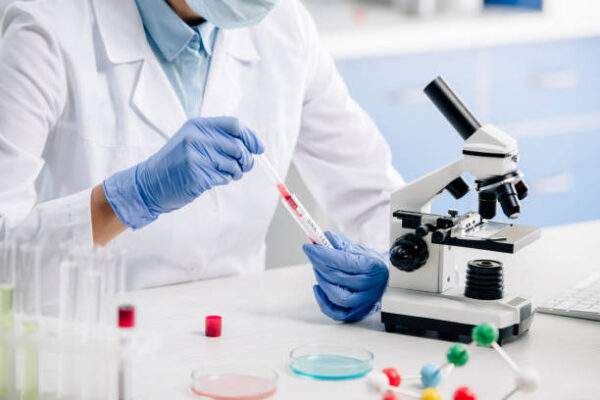
The Evolution of Diagnostic Technology in Healthcare
Traditional diagnostic methods relied on basic laboratory tests, physical examinations, and symptomatic evaluation. While effective in the past, these methods often lacked precision and speed.
Today’s advanced diagnostic systems integrate:
- High-resolution imaging
- Molecular and genetic testing
- Automated laboratory platforms
- Artificial intelligence and data analytics
This evolution has transformed diagnostics from simple detection to predictive and personalized medicine, enabling clinicians to understand disease at a deeper biological level.
Key Advanced Diagnostic Technologies Enabling Early Detection
- Advanced Medical Imaging Technologies
Modern imaging techniques such as MRI, CT scans, PET scans, and digital ultrasound provide detailed visualization of internal organs and tissues. These technologies can detect tumors, vascular abnormalities, and organ dysfunction at an early stage, often before symptoms arise.
- Molecular Diagnostics and Genetic Testing
Molecular diagnostic tests identify diseases at the DNA and RNA level. Techniques such as PCR and next-generation sequencing detect genetic mutations, cancer biomarkers, and infectious agents with high sensitivity, enabling precise and early diagnosis.
- Automated Laboratory Diagnostics
Automation in diagnostic laboratories ensures faster turnaround times and consistent accuracy. High-throughput analyzers can process thousands of samples daily, making early screening programs scalable and reliable.
- Artificial Intelligence in Diagnostic Medicine
AI-powered diagnostic tools analyze complex datasets to identify patterns and risks that may not be apparent through conventional analysis. AI enhances radiology, pathology, and predictive diagnostics by supporting clinical decision-making and reducing diagnostic errors.
How Advanced Diagnostics Support Preventive Healthcare
Advanced diagnostic technology has shifted healthcare from a treatment-focused model to a prevention-driven approach. Regular health screenings, risk profiling, and predictive diagnostics empower individuals to take proactive control of their health.Personalized diagnostic insights allow clinicians to design targeted treatment and lifestyle interventions, reducing unnecessary procedures and improving patient outcomes.
Benefits for Patients and Healthcare Systems
The impact of advanced diagnostic technology extends beyond individual patients. Healthcare systems benefit from reduced hospital admissions, shorter treatment durations, and optimized resource utilization.
Key benefits include:
- Early and accurate diagnosis
- Reduced disease burden
- Lower long-term healthcare costs
- Improved operational efficiency
- Enhanced patient trust and satisfaction
Challenges and Future Opportunities
Despite its advantages, advanced diagnostic technology faces challenges such as high initial costs, the need for skilled professionals, and data privacy concerns. However, continuous innovation, improved accessibility, and integration with digital health platforms are rapidly addressing these barriers.The future of diagnostics lies in connected, intelligent, and patient-centric systems, where wearable devices, remote testing, and real-time analytics enable continuous health monitoring and ultra-early disease detection.
Conclusion: Advanced Diagnostics Are Redefining Early Disease Detection
Advanced diagnostic technology is no longer an optional enhancement—it is a necessity in modern healthcare. By identifying diseases at their earliest and most treatable stages, these technologies are improving survival rates, reducing healthcare costs, and transforming patient care.As diagnostic innovation continues to advance, early disease detection will become the standard, not the exception—ushering in a future where healthcare is proactive, precise, and preventive.
Phone: 9028801188, 9028566644, 9028566611
Address: Ground Floor, Shop No. 2, Business Hub Building Opp. Mirch Masala Hotel, Near Vandevi Mandir Karve Road, Karve Nagar, Kothrud, Pune, Maharashtra 411038

Dr. Karishma Shinde, B.H.M.S (MUHS Nashik) PGD, EMS (RHC Pune and the Director of Sunrise diagnostics Centre along with her team works with a vision of rendering care for the happiness of humankind and freedom from illness.