
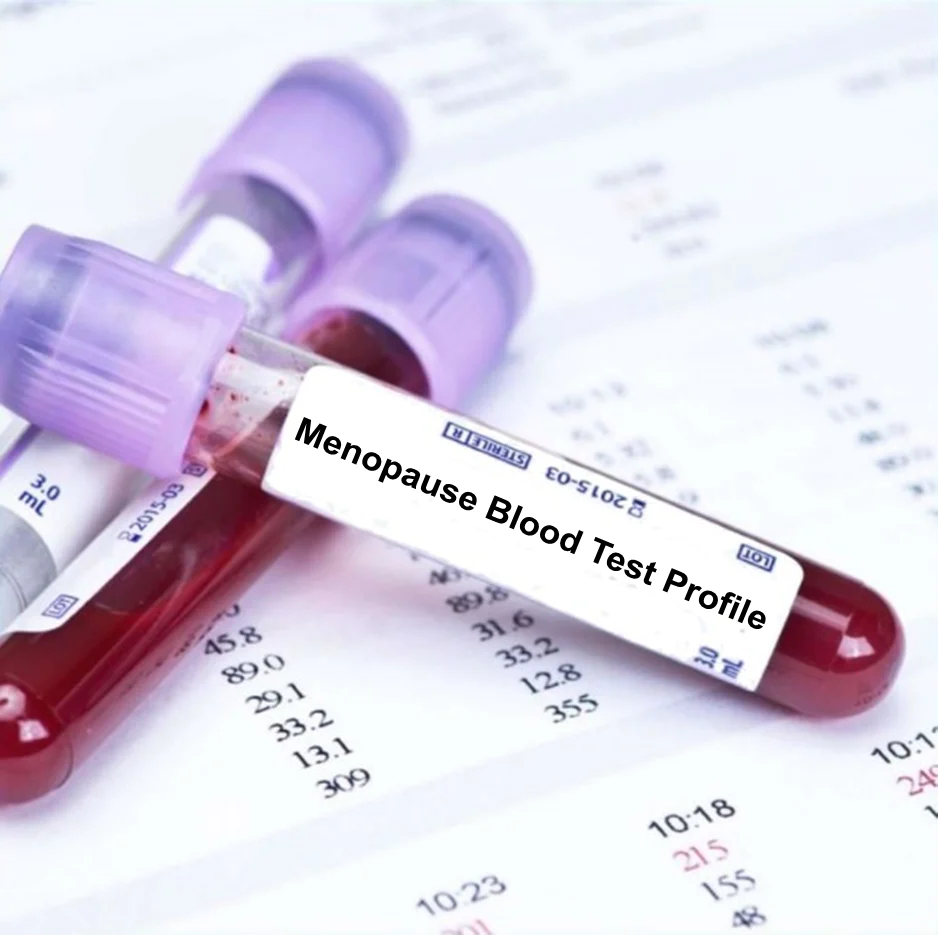
Menopause is a natural stage of life, but the changes it brings can sometimes feel confusing. Irregular periods, hot flashes, night sweats, mood changes, disturbed sleep, and unexplained fatigue are common concerns during the menopausal transition. However, these symptoms can also occur due to other health conditions, which is why a medical evaluation may be helpful.
A menopause health checkup helps your doctor understand your symptoms, assess your overall health, and identify whether you need specific blood tests or other investigations. Depending on your age, medical history, and symptoms, your doctor may recommend tests to evaluate thyroid function, blood sugar, cholesterol, bone health, or hormone levels.
If you are looking for a menopause health checkup in Pune, understanding these tests can help you prepare for your consultation and make informed decisions about your health.
What Is a Menopause Health Checkup?
A menopause health checkup is a medical assessment designed to evaluate a woman’s health during perimenopause, menopause, and the years after menopause.
Menopause is generally diagnosed when a woman has gone 12 consecutive months without a menstrual period, provided there is no other medical explanation. The transition leading up to menopause is called perimenopause, during which hormone levels fluctuate and periods may become irregular.
Your doctor may recommend a physical examination, review your symptoms, assess your medical history, and suggest selected laboratory tests or screening investigations.
Important: There is no single blood test that can confirm menopause in every woman. For women aged 45 and above with typical symptoms, menopause can often be diagnosed based on symptoms and menstrual history without routine hormone testing.
7 Tests Your Doctor May Recommend During Menopause
Not every woman needs all these tests. Your doctor will select investigations according to your symptoms, age, risk factors, and health requirements.
1. FSH Blood Test (Follicle-Stimulating Hormone)
Follicle-stimulating hormone, or FSH, is produced by the pituitary gland and plays an important role in regulating the menstrual cycle.
As ovarian function declines during menopause, FSH levels often increase. Your doctor may recommend an FSH blood test if menopause is suspected but the diagnosis is unclear, particularly in women experiencing symptoms at a younger age.
Why might this test be recommended?
- To investigate suspected early menopause.
- To help evaluate menstrual changes in selected cases.
- To assess possible menopause in women whose symptoms or medical history are not typical.
FSH levels can fluctuate significantly during perimenopause, so a single result may not provide a definite answer.
2. Thyroid Function Test (TSH)
Thyroid problems can cause symptoms that resemble menopause, including fatigue, mood changes, sleep disturbances, changes in weight, and irregular periods.
A thyroid-stimulating hormone (TSH) test measures a hormone that helps regulate thyroid activity. Depending on the result, your doctor may also recommend a free T4 test.
Why is a thyroid test important during menopause?
It helps your doctor check whether an underactive or overactive thyroid could be contributing to your symptoms. Identifying a thyroid condition can help guide appropriate treatment instead of assuming every symptom is caused by menopause.
3. Blood Sugar Test (Fasting Blood Glucose or HbA1c)
Changes in body composition, reduced physical activity, ageing, and other risk factors can influence blood sugar levels during midlife.
Your doctor may recommend a fasting blood glucose test or an HbA1c test to assess blood sugar control and screen for diabetes when appropriate.
An HbA1c test estimates your average blood sugar level over approximately the previous two to three months and usually does not require fasting.
Who may need this test?
Women with risk factors such as excess weight, a family history of diabetes, high blood pressure, or a history of gestational diabetes may benefit from appropriate diabetes screening.
4. Lipid Profile (Cholesterol Test)
Hormonal changes associated with menopause and the ageing process can affect cholesterol levels. Cardiovascular risk may also increase during midlife.
A lipid profile measures cholesterol and other fats in the blood, usually including:
- Total cholesterol
- LDL cholesterol (often called bad cholesterol)
- HDL cholesterol (often called good cholesterol)
- Triglycerides
Why should you consider cholesterol testing after menopause?
High cholesterol often has no obvious symptoms. Testing can help your doctor assess your cardiovascular risk and recommend suitable lifestyle changes or medication when necessary.
Your doctor will advise whether fasting is required for your particular lipid test.
5. Vitamin D and Calcium Assessment
Bone health becomes especially important during and after menopause because declining oestrogen levels can accelerate bone loss.
Your doctor may recommend a vitamin D blood test if you have risk factors for deficiency, bone-related symptoms, certain medical conditions, or other clinical reasons.
Calcium levels may also be checked when clinically indicated, although a blood calcium test does not directly measure bone strength.
When might these tests be useful?
- If you have risk factors for vitamin D deficiency.
- If you have conditions that affect calcium absorption or bone health.
- If your doctor suspects a nutritional or metabolic problem affecting your bones.
Vitamin D and calcium tests are not necessarily required for every woman going through menopause.
6. Bone Density Test (DEXA Scan)
A DEXA scan, also known as a dual-energy X-ray absorptiometry scan, measures bone mineral density. It helps identify osteoporosis and assess the risk of fractures.
After menopause, reduced oestrogen levels can contribute to bone loss. However, the need for a DEXA scan depends on age, fracture history, medical conditions, medications, and other risk factors.
Your doctor may recommend a bone density scan if you:
- Are aged 65 or older.
- Are younger than 65 but have risk factors for osteoporosis.
- Have experienced a fracture after a minor fall or injury.
- Have a medical condition or take medication associated with bone loss.
A DEXA scan can help your doctor decide whether preventive measures or osteoporosis treatment may be needed.
7. Complete Blood Count (CBC)
Fatigue, weakness, dizziness, and reduced energy are sometimes reported during the menopausal transition. These symptoms can also occur because of anaemia or other medical conditions.
A complete blood count (CBC) measures different blood components, including haemoglobin, red blood cells, white blood cells, and platelets.
Your doctor may recommend a CBC if you experience persistent tiredness, weakness, heavy menstrual bleeding, or symptoms that require further investigation.
It is important not to attribute ongoing fatigue automatically to menopause. A medical assessment can help identify other possible causes.
Are Hormone Tests Necessary to Confirm Menopause?
Many women wonder whether they need an extensive hormone panel to confirm menopause.
In most healthy women aged 45 and above with typical symptoms, routine FSH, oestrogen, progesterone, or other reproductive hormone testing is not necessary to diagnose menopause. Hormone levels fluctuate during perimenopause, which can make individual results difficult to interpret.
Hormone testing may be considered in selected situations, such as:
- Suspected menopause before age 45.
- Possible premature ovarian insufficiency before age 40.
- Menstrual changes that need further evaluation.
- Symptoms or medical circumstances that make the diagnosis uncertain.
Tests such as AMH are not routinely recommended as stand-alone tests to confirm menopause.
Your doctor can determine whether any hormone test is appropriate for your situation.
When Should You Get a Menopause Health Checkup?
Consider consulting your doctor if you experience:
- Frequent hot flashes or night sweats.
- Irregular periods or changes in menstrual flow.
- Persistent sleep problems or unexplained fatigue.
- Mood changes that affect your daily life.
- Concerns about bone health or fracture risk.
- A family history of osteoporosis, diabetes, or cardiovascular disease.
- Menopause symptoms before age 45.
Do not ignore bleeding after menopause. Any vaginal bleeding after 12 months without periods should be evaluated by a healthcare professional, even if it happens only once.
Seek urgent medical attention for severe symptoms, including chest pain, sudden breathlessness, or fainting.
How to Prepare for Your Menopause Blood Tests
A little preparation can make your health checkup easier.
- Discuss your symptoms: Note your menstrual history, hot flashes, sleep changes, and other concerns.
- Share your medical history: Inform your doctor about existing conditions, medicines, supplements, and family history.
- Ask about fasting: Some tests may require fasting, while others do not. Follow the instructions provided by your doctor or diagnostic centre.
- Tell your doctor about hormone medication: Hormonal contraception or hormone therapy may affect the interpretation of certain tests.
- Keep previous reports ready: Earlier blood tests and scans can help your doctor understand changes over time.
Do not stop prescribed medicines or hormone therapy unless your healthcare professional advises you to do so.
Menopause Health Checkup in Pune: Why Choose the Right Diagnostic Centre?
Choosing a reliable diagnostic centre can make it easier to complete the investigations recommended by your doctor. If you need blood tests as part of a menopause health checkup in Pune, look for a centre that provides clear instructions, appropriate sample collection, and accurate laboratory reporting.
At Sunrise Diagnostic Centre, you can enquire about the availability of the investigations prescribed by your healthcare professional and understand any preparation required before your tests.
Remember that a useful menopause health checkup is not about taking every available test. It is about selecting the right investigations based on your individual health needs.
Frequently Asked Questions (FAQs)
1. Which blood tests are recommended during menopause?
Depending on your symptoms and risk factors, your doctor may recommend FSH, TSH, fasting blood glucose or HbA1c, a lipid profile, vitamin D, or a CBC. Not every woman needs all these tests.
2. Can a blood test confirm menopause?
Menopause is often diagnosed from age, symptoms, and menstrual history. FSH testing may help in selected cases, particularly when menopause occurs earlier than expected or the diagnosis is uncertain.
3. Do I need an FSH test if I am over 45?
Not usually if you have typical menopause symptoms and menstrual changes. Your doctor can recommend FSH testing if your symptoms or medical history require further investigation.
4. Which tests check bone health after menopause?
A DEXA scan measures bone mineral density and helps assess osteoporosis risk. Vitamin D or calcium testing may also be recommended when clinically indicated.
5. Do menopause blood tests require fasting?
It depends on the test. Fasting is generally not required for FSH, TSH, or HbA1c, but your doctor may advise fasting for certain glucose tests or specific laboratory investigations.
6. When should I get a menopause checkup?
You can consult your doctor when menstrual changes, hot flashes, sleep disturbances, or other symptoms begin affecting your daily life. Earlier assessment is particularly important if menopause is suspected before age 45.
7. Where can I get a menopause health checkup in Pune?
You can contact Sunrise Diagnostic Centre to enquire about the availability of the blood tests and investigations recommended by your doctor. The appropriate tests will depend on your individual health needs.
Take Charge of Your Health During Menopause
Menopause is a natural transition, but your health needs can change during this stage of life. The right medical assessment can help identify thyroid problems, diabetes risk, high cholesterol, anaemia, and bone health concerns when relevant.
If you are planning a menopause health checkup in Pune, speak with your healthcare professional about which investigations are suitable for you.
Contact Sunrise Diagnostic Centre to enquire about recommended blood tests and diagnostic investigations. Understanding your health today can help you make informed choices for a healthier tomorrow.
Call Now: 9028801188 9028566644