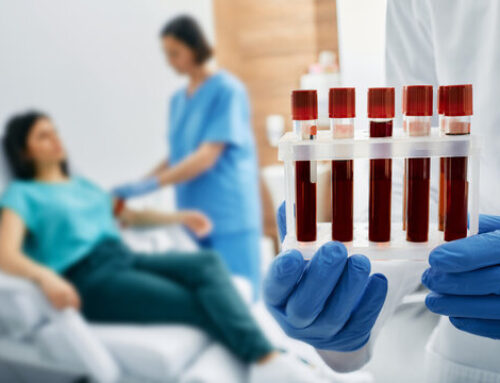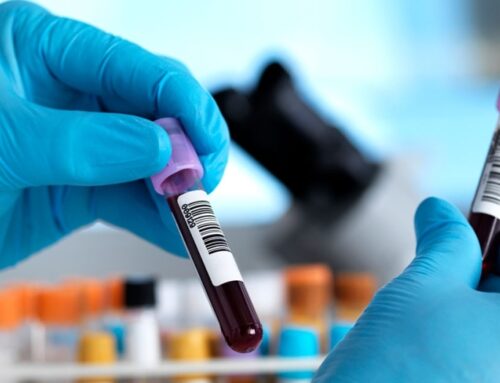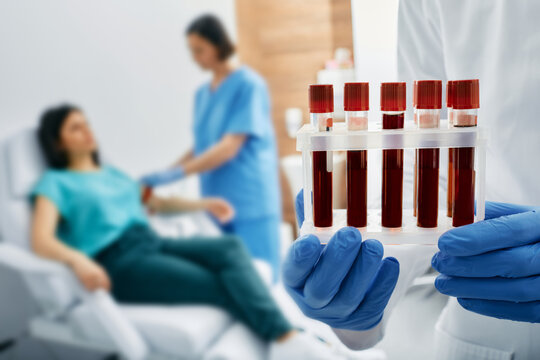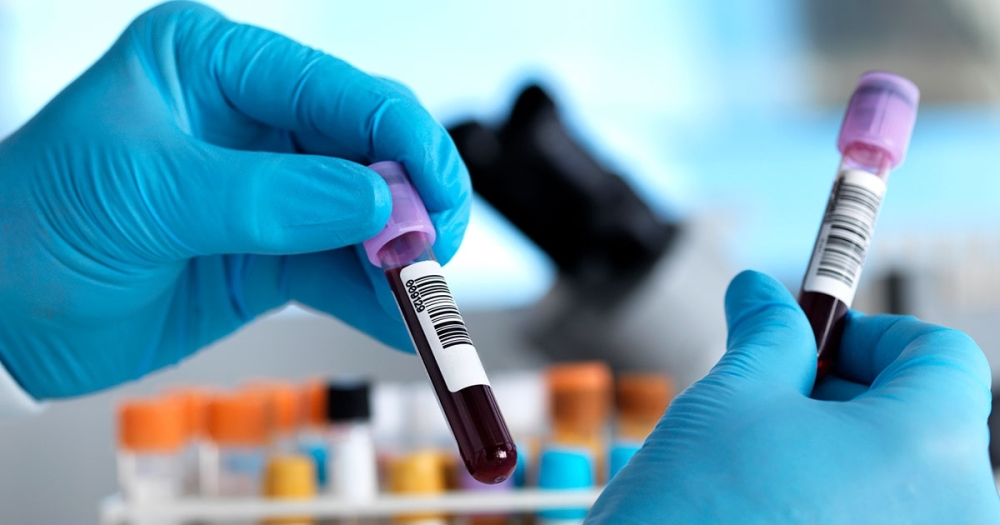
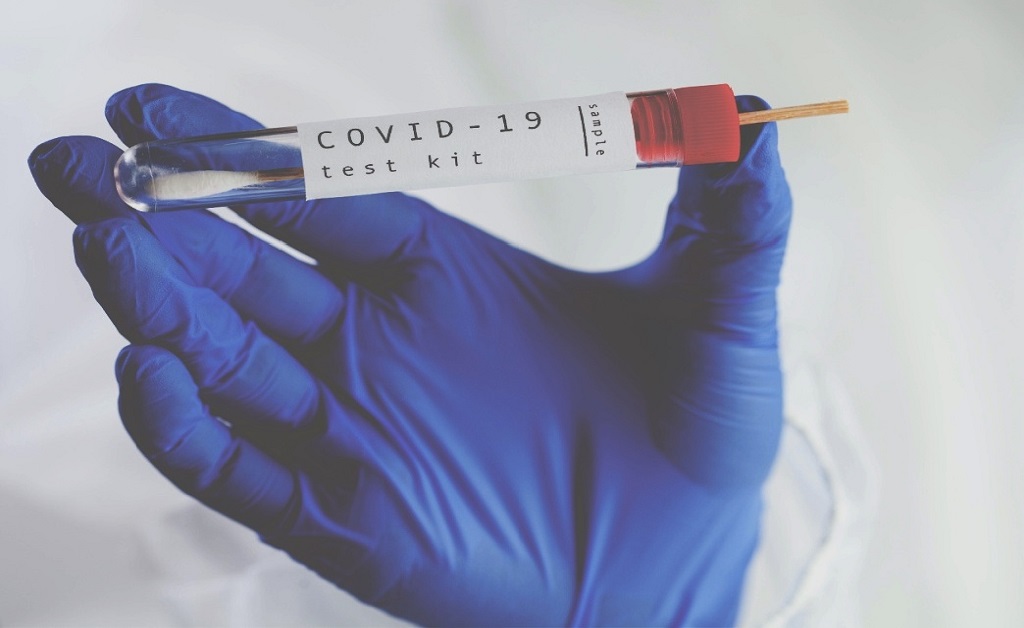
During the covid virus infection, some changes have been developed by the body. These changes are detected by some tests which help us for determining the severity and exposure of covid disease.
Table of Contents
1. Covid Antibody Test:
It is a general screening test for antibodies. It is generally done for the indication of immunity against covid infection. If antibody test gives positive results then it indicates covid infection in past. If antibody test gives negative results then it gives an indication of non-exposure to covid disease.
2. CRP:
This is a blood test that helps us for the determination of inflammation or infection of the body. CRP is generally a blood test marker. In the case of covid patients, the CRP levels get increased. This test is often suggested to monitor patients after surgery or organ transplant.
3. CBC:
The full form of CBC is a complete blood count.CBC is an analysis of different blood cells in a compact volume of blood. When we see an increased number of white blood cells then the body is fighting against the infection.
4. LDH:
The full form of LDH is lactate dehydrogenase. It is known as lactic dehydrogenase. It is one kind of enzyme. LDH is an important enzyme that plays important role in the production of energy in the body. It means the disease has been attacked by the body. In the case of covid disease, it shows higher results.
5. D-dimer:
It is used for the measurement and assessment of clot formation in the body. In covid-19 cases increased d-dimer levels are linked with disease severity and mortality. D-dimer levels can be high when a large number of clots are formed or broken down.
6. Ferritin:
It is one kind of protein that contains iron. It is a test that helps us to diagnosis how much a patient’s body stores iron. If your ferritin level is low in the body then your iron is low in the body.
Frequently Asked Questions (FAQs)
1. What tests are commonly used for COVID-19 diagnosis in pathology labs?
Pathology labs use several tests for COVID-19 diagnosis, including the COVID antibody test, CRP test, CBC, LDH, D-dimer, and Ferritin test to assess infection, inflammation, and disease severity.
2. What does a COVID Antibody Test indicate?
A COVID Antibody Test detects past exposure to the virus. A positive antibody test means previous infection, while a negative result indicates no prior exposure or immunity.
3. Why is the CRP test important in COVID-19 cases?
The CRP test measures inflammation levels in the body. High CRP levels in COVID patients indicate active infection, inflammation, or complications, helping doctors monitor disease severity.
4. How does a CBC test help in detecting COVID-19 severity?
A Complete Blood Count (CBC) shows changes in white blood cells and other components. Increased WBC count can signal the body’s response to infection, making it useful for COVID monitoring.
5. What does an elevated LDH level mean in COVID-19?
High LDH levels indicate tissue damage or stress, which is common in moderate to severe COVID-19 cases. It helps in assessing the overall impact of infection on the body.
6. Why is the D-dimer test important for COVID-19 patients?
The D-dimer test detects abnormal blood clot formation. Increased D-dimer levels in COVID-19 are linked with severe disease, risk of clots, and complications.
7. What does the Ferritin test show in COVID-19 diagnosis?
The Ferritin test measures iron storage levels. High ferritin levels during COVID-19 often indicate inflammation and can help assess disease severity.
8. When should you get these COVID-related pathology tests done?
These tests are recommended if you have COVID symptoms, recent exposure, worsening health during infection, or if a doctor needs to assess inflammation, oxygen status, or recovery progress.
At Sunrise Diagnostic Center, We offer a safe and hygienic covid 19 RT PCR Test in Pune by a highly trained phlebotomist. Visit Us now at https://sunrisediagnosis.com/.

Dr. Karishma Shinde, B.H.M.S (MUHS Nashik) PGD, EMS (RHC Pune and the Director of Sunrise diagnostics Centre along with her team works with a vision of rendering care for the happiness of humankind and freedom from illness.