
Introduction
What if your body had a warning system for pain? Something that could whisper about trouble brewing in your joints or kidneys before it screamed through inflammation or a gout attack? That’s exactly what the uric acid test offers.While often brushed off as “just a gout test,” checking your uric acid levels is about far more than joint pain. It’s about how your body processes protein, metabolizes purines, and manages waste. And, like many small tests, it can hold big clues about your overall health.At the Best Diagnostic Centre Pune, a simple uric acid test can help you catch hidden risks early—whether it’s early kidney concerns, metabolic issues, or lifestyle-related imbalances. In this guide, we’ll explore what uric acid really is, why it rises or falls, and how timely testing can help you stay ahead of potential problems.
What Is Uric Acid, Really?
Uric acid is a waste product that forms when your body breaks down substances called purines, which are found in certain foods (like red meat, seafood, and alcohol) and are also naturally produced by your body.
Normally, uric acid dissolves in the blood, travels to the kidneys, and is excreted in urine. But when too much is made or too little is excreted, it builds up—leading to sharp uric acid crystals that can deposit in joints or kidneys.
This is what causes:
- Gout (joint inflammation)
- Kidney stones
- Uric acid buildup in blood (hyperuricemia)
What Is the Uric Acid Test?
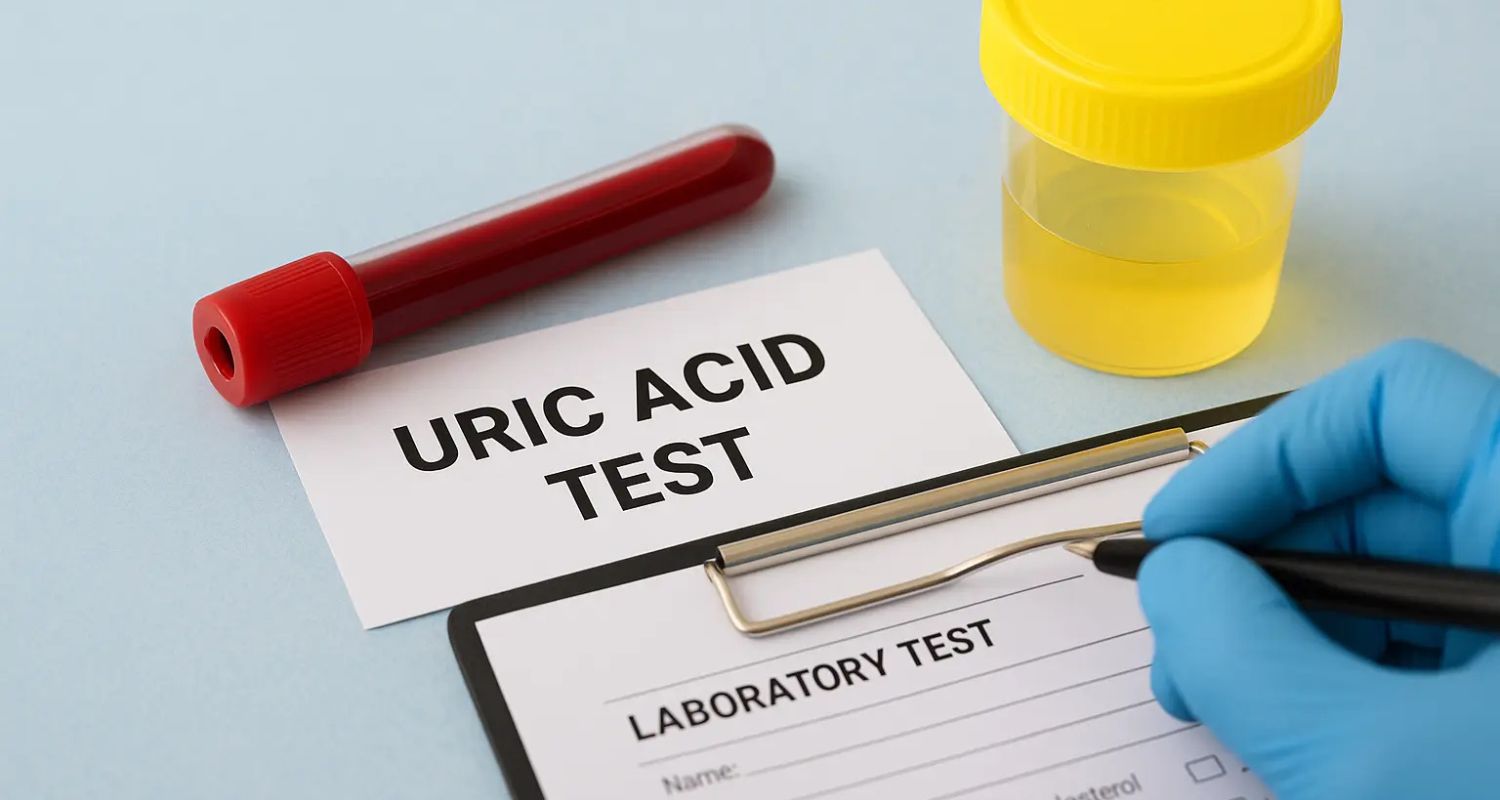
The uric acid blood test measures the level of uric acid circulating in your blood. It’s a simple test, but the meaning behind the number depends on why it was ordered.
- Normal ranges:
- Men: 3.4 – 7.0 mg/dL
- Women: 2.4 – 6.0 mg/dL
(Ranges may vary slightly between labs)
Doctors may also order a urine uric acid test to understand how much uric acid your kidneys are excreting in a 24-hour period.
When Should You Get a Uric Acid Test?
This test is recommended when:
- You have symptoms like sudden joint pain, especially in the big toe
- You experience recurrent kidney stones
- You’re undergoing chemotherapy or radiation, which may increase uric acid
- You\’re on medications like diuretics or aspirin
- You have a family history of gout or kidney disease
- Your doctor wants to monitor uric acid-lowering therapy
But even in healthy individuals, the test can be valuable for checking lifestyle-related risk factors.
What Can High Uric Acid Levels Indicate?
Elevated levels (hyperuricemia) may be caused by:
- Excess purine breakdown (from diet or rapid cell turnover in cancer treatment)
- Reduced kidney excretion (common in kidney disease or dehydration)
- Obesity, insulin resistance, or metabolic syndrome
- Heavy alcohol intake
- Fasting or crash diets
Chronically high uric acid can silently damage joints, promote inflammation, and even increase cardiovascular risk—even if gout hasn’t occurred yet.
What About Low Uric Acid?
Although rarer, low uric acid (hypouricemia) may signal:
- Liver disorders (impaired production)
- Overactive kidneys (excreting too much uric acid)
- Fanconi syndrome or SIADH
- Use of certain drugs like allopurinol, probenecid, or high-dose vitamin C
Low uric acid may seem harmless, but it can reflect hidden metabolic issues or overtreatment.
Uric Acid and Gout: More Than Just Pain
Gout is a form of arthritis caused by uric acid crystal deposits in joints. But gout is just one consequence of chronic hyperuricemia.
Many people have high uric acid and no symptoms—this is known as asymptomatic hyperuricemia. However, studies show that even without pain, high uric acid can:
- Inflame blood vessels
- Promote hypertension
- Accelerate kidney dysfunction
- Increase cardiovascular risk
In other words, uric acid is no longer just a “gout issue”—it’s a whole-body biomarker.
Misunderstandings About the Uric Acid Test
| Misconception | Truth |
| Uric acid only matters if you have gout | High levels can silently harm kidneys, vessels, and metabolism |
| Only rich or meat-heavy diets cause it | Genetics, meds, and dehydration play major roles too |
| You can lower uric acid with water alone | Hydration helps, but diet and medications may still be needed |
| If I have no symptoms, it’s not important | Asymptomatic elevation still poses long-term risks |
How to Keep Uric Acid in Check Naturally
- Limit purine-rich foods: Red meat, organ meat, anchovies, and shellfish
- Stay well-hydrated: Helps kidneys flush uric acid
- Reduce alcohol, especially beer: Beer is rich in purines
- Watch weight gain: Obesity increases uric acid production
- Avoid sugary drinks: Fructose is a hidden uric acid booster
- Eat more plant-based proteins: Lentils and legumes are gentler on purine metabolism
- Get regular checkups if you\’re at risk
Real-Life Example: Why the Test Matters
- A middle-aged man without gout, but with high blood pressure and uric acid of 9.5 mg/dL, wasn’t concerned. Six months later, he developed kidney stones.
- A young woman on a keto diet felt great but had sudden toe swelling. Uric acid was 8.7 mg/dL—her diet needed adjusting.
- An elderly patient with fatigue and muscle cramps had low uric acid, revealing a hidden kidney disorder.
In each case, the uric acid test offered crucial clues that symptoms alone didn’t provide.
Conclusion: A Small Test, a Loud Signal
The uric acid test is easy to overlook—but it carries weight. It speaks on behalf of your kidneys, joints, and metabolism long before symptoms knock on the door.
Whether you\’re dealing with gout, managing diet, or just tracking your health more deeply, this test provides a snapshot of your body’s inner chemistry—and what it’s quietly warning you .
Frequently Asked Questions (FAQs)
1. What is a uric acid test and why is it done?
A uric acid test measures the amount of uric acid in your blood to check for gout, kidney function issues, metabolic problems, and uric acid buildup.
2. What are the normal uric acid levels in men and women?
Normal uric acid levels are:
• Men: 3.4 – 7.0 mg/dL
• Women: 2.4 – 6.0 mg/dL
(Ranges may vary slightly by lab.)
3. What causes high uric acid levels?
High uric acid may result from purine-rich diets, kidney disease, dehydration, obesity, metabolic syndrome, alcohol intake, or certain medications.
4. What are the symptoms of high uric acid?
Common symptoms include joint pain (especially the big toe), swelling, redness, kidney stones, or silent hyperuricemia with no symptoms.
5. Can I have high uric acid without having gout?
Yes. Many people have asymptomatic hyperuricemia, which still increases the risk of kidney disease, heart disease, and inflammation.
6. What does low uric acid level indicate?
Low uric acid may suggest liver disorders, excessive kidney excretion, metabolic issues, or the effects of certain medications like allopurinol.
7. How can I naturally lower uric acid levels?
Drink plenty of water, reduce red meat and alcohol, avoid sugary drinks, maintain a healthy weight, and prefer plant-based proteins.
8. Where can I get a uric acid test in Pune?
You can get a fast and accurate Uric Acid Test in Pune at Sunrise Diagnostic Centre with advanced technology, expert reporting, and home sample collection.
________________________________________
Phone: 9028801188, 9028566644, 9028566611
Address: Ground Floor, Shop No. 2, Business Hub Building Opp. Mirch Masala Hotel, Near Vandevi Mandir Karve Road, Karve Nagar, Kothrud, Pune, Maharashtra 411038