
Introduction
Our kidneys are quiet multitaskers. Every second, they filter blood, balance fluids, and remove toxins—without ever making a sound. But how do we know when they’re getting tired? How can we tell if they’re silently struggling? That’s where the creatinine blood test becomes essential. It’s not just a lab value—it’s a whisper from your kidneys, a subtle warning that something may be off long before any symptoms appear. This simple test helps detect early kidney damage, monitor kidney function, and identify underlying health conditions that often go unnoticed. For anyone looking to proactively monitor their health, choosing the Best Diagnostic Centre in Pune ensures accurate, reliable, and timely creatinine testing. High-quality diagnostics play a crucial role in early detection—and early detection can make all the difference.
What Is a Creatinine Test?
Creatinine is a waste product formed by the normal breakdown of muscle tissues. As muscles move and contract, they produce creatine, which gets converted into creatinine and is released into the bloodstream. Healthy kidneys filter this creatinine out of the blood and excrete it through urine.
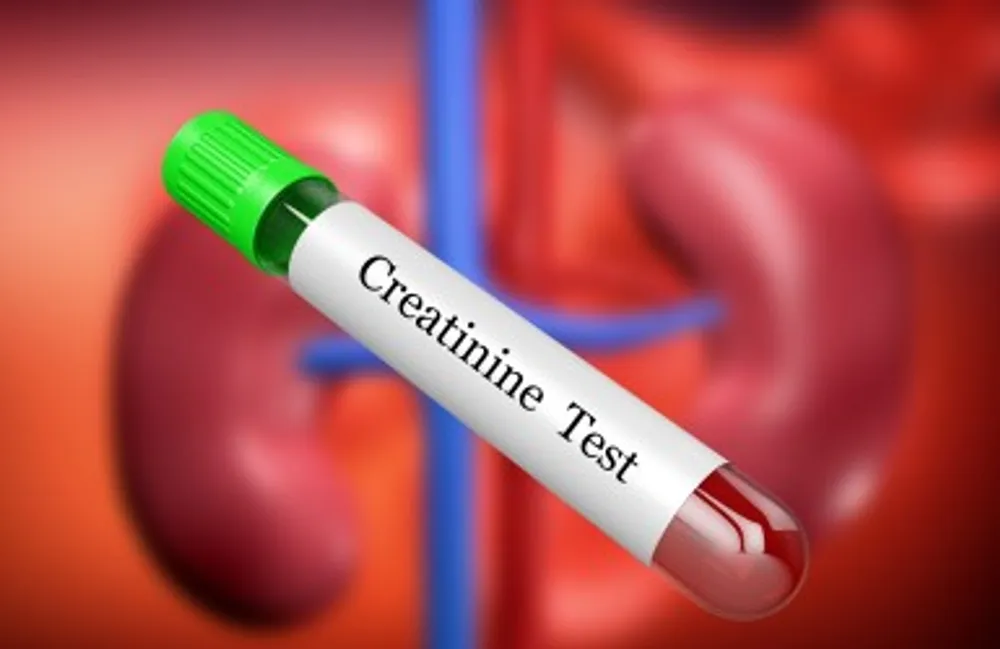
A creatinine blood test measures how much of this waste remains in your bloodstream—providing insight into how efficiently your kidneys are working.
- Normal ranges:
- Men: ~0.7 to 1.3 mg/dL
- Women: ~0.6 to 1.1 mg/dL
(Ranges may slightly vary by lab.)
Why Does Creatinine Matter?
The body doesn\’t reuse creatinine—it just wants to get rid of it. So if your levels are rising, it likely means that the kidneys are not clearing it properly. This can be an early indicator of:
- Acute kidney injury
- Chronic kidney disease (CKD)
- Blockages in the urinary tract
- Side effects from medications
- Dehydration or fluid imbalance
But here’s the important part: You don’t need to feel sick for your kidneys to be in trouble. Creatinine often rises long before you feel any symptoms.
The Role of Muscle Mass in Creatinine Levels
Unlike many other lab tests, creatinine is heavily influenced by muscle mass:
- Athletes or bodybuilders may have higher levels due to increased muscle metabolism.
- Elderly or underweight individuals may have low levels that appear “normal” even in early kidney disease.
That’s why doctors now look at eGFR (estimated glomerular filtration rate)—a calculation based on creatinine, age, sex, and race—to get a clearer picture of kidney function.
What Can High Creatinine Indicate?
Elevated creatinine levels could mean:
- Kidney filtration is slowing down
- Urine is backing up due to stones or enlarged prostate
- Medication side effects from NSAIDs, certain antibiotics, or chemotherapy
- Severe dehydration, reducing kidney blood flow
- Muscle breakdown (rhabdomyolysis), from trauma or extreme exertion
It’s not just about kidney failure. Sometimes, even short-term stress or illness can cause a spike that needs careful interpretation.
Can Creatinine Be Low? What Does That Mean?
Yes—and low creatinine can also carry meaning:
- Low muscle mass or malnutrition
- Severe liver disease
- Pregnancy (due to increased kidney filtration)
- Overhydration, which dilutes creatinine in the blood
So, while we often worry about high levels, very low levels can also hint at deeper systemic issues.
When Should You Get a Creatinine Test?
You might need this test if you:
- Have diabetes, high blood pressure, or heart disease
- Are experiencing swelling, fatigue, or foamy urine
- Are on medications known to affect kidneys
- Are over 60 and want to monitor aging organs
- Have a family history of kidney disease
- Before starting certain treatments (like chemotherapy or contrast scans)
Even as part of a routine health check-up, a creatinine test can catch silent issues early.
Creatinine Test in Everyday Scenarios
- A man on a bodybuilding diet sees elevated creatinine. But his eGFR is normal—because his muscle mass is high.
- An elderly woman with normal creatinine but very low muscle mass has declining eGFR. Her kidneys are failing quietly.
- A patient on blood pressure medication has rising creatinine—prompting a change in prescription before damage worsens.
These examples show why context matters—and why creatinine can’t be judged in isolation.
Tips to Support Healthy Creatinine and Kidney Function
- Stay hydrated – Water helps your kidneys flush out toxins effectively
- Limit NSAIDs and self-medication – Common painkillers can harm your kidneys over time
- Manage blood sugar and pressure – Key causes of kidney damage
- Avoid high-protein fad diets – These can stress the kidneys in vulnerable people
- Check labels – Some supplements and herbal products contain nephrotoxic substances
- Get regular kidney screening – Especially if you’re in a risk group
Myths About the Creatinine Test
| Myth | Truth |
| High creatinine always means kidney failure | Not necessarily—it could be from dehydration or muscle activity |
| Normal creatinine = normal kidney | False—early kidney disease can exist even with normal creatinine |
| Drinking more water will fix high creatinine | Water helps only if the rise is from dehydration—not kidney disease |
| Only older adults need this test | Even young people with risk factors should monitor kidney function |
Frequently Asked Questions
1. What is a creatinine blood test used for?
A creatinine blood test checks how well your kidneys are filtering waste. It helps detect kidney disease, dehydration, urinary blockages, and medication-related kidney damage.
2. What is the normal creatinine level?
Normal creatinine levels are 0.7–1.3 mg/dL for men and 0.6–1.1 mg/dL for women. Values may vary slightly by lab.
3. What does high creatinine mean?
High creatinine usually indicates reduced kidney function, dehydration, kidney infection, urinary blockage, or side effects from medications like NSAIDs.
4. Can creatinine levels be low?
Yes. Low creatinine may indicate low muscle mass, malnutrition, liver disease, pregnancy, or overhydration.
5. Who should get a creatinine test regularly?
People with diabetes, high blood pressure, heart disease, kidney disease risk, or those taking kidney-affecting medications should test regularly.
6. How is creatinine related to eGFR?
eGFR is calculated using creatinine levels, age, and sex, giving a more accurate picture of kidney filtration and overall kidney health.
7. Can lifestyle changes lower creatinine levels?
Yes. Hydration, managing blood pressure, controlling blood sugar, avoiding high-protein diets, and limiting NSAIDs can support healthy creatinine levels.
8. Where can I get the most accurate creatinine test in Pune?
Visit the Best Diagnostic Centre in Pune for accurate creatinine testing, advanced kidney screening, and expert reporting.
Conclusion: A Silent, Powerful Metric
The creatinine test is small but mighty. It can quietly warn you when your kidneys are struggling, long before physical symptoms set in. Whether you\’re an athlete, a diabetic, or simply health-conscious, this test provides a window into one of your most vital systems.Don\’t wait for kidney problems to become loud. The creatinine test lets you listen early, act early, and protect your health silently.
Phone: 9028801188, 9028566644, 9028566611
Address: Ground Floor, Shop No. 2, Business Hub Building Opp. Mirch Masala Hotel, Near Vandevi Mandir Karve Road, Karve Nagar, Kothrud, Pune, Maharashtra 411038