Introduction
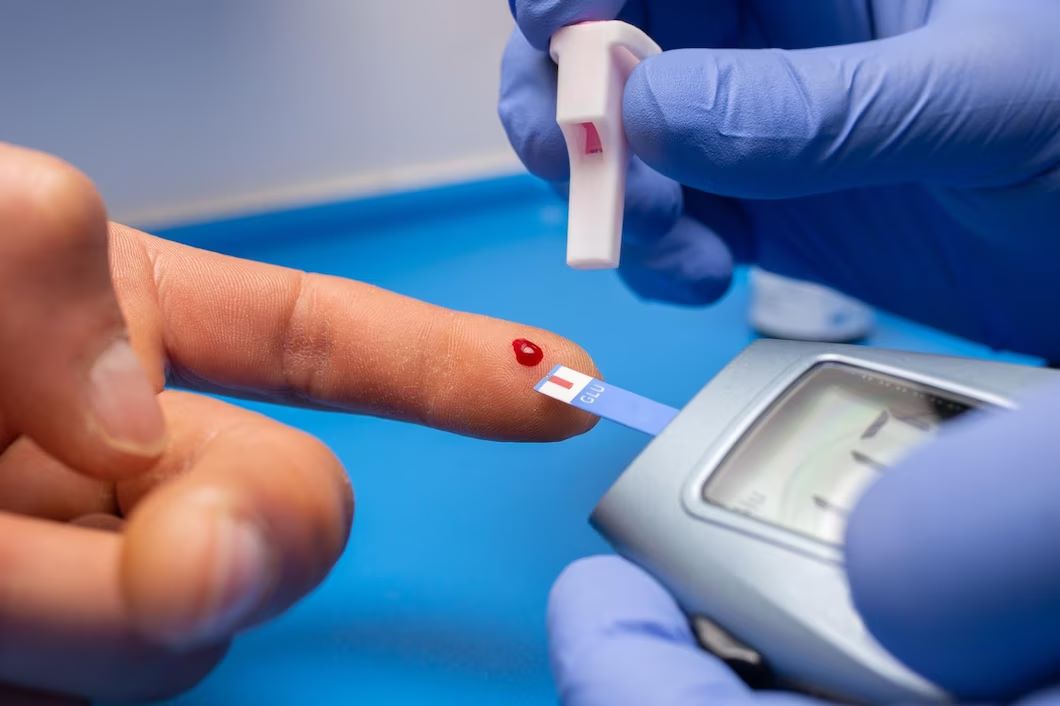
It takes just one drop of blood to glimpse a part of your future. The blood sugar test, often seen as a routine check, is actually a powerful conversation between your body and your choices. It’s not just about diabetes—it’s about balance, rhythm, energy, and awareness.
From the foods we eat to the stress we carry, everything we experience leaves a fingerprint on our blood glucose levels. Yet most people don’t realize how much this tiny test can reveal, predict, and even prevent.
This blog explores the true depth of the blood sugar test—what it tells us, what it doesn’t, and why it’s a health marker that deserves much more attention.
Table of Contents
What Is a Blood Sugar Test?
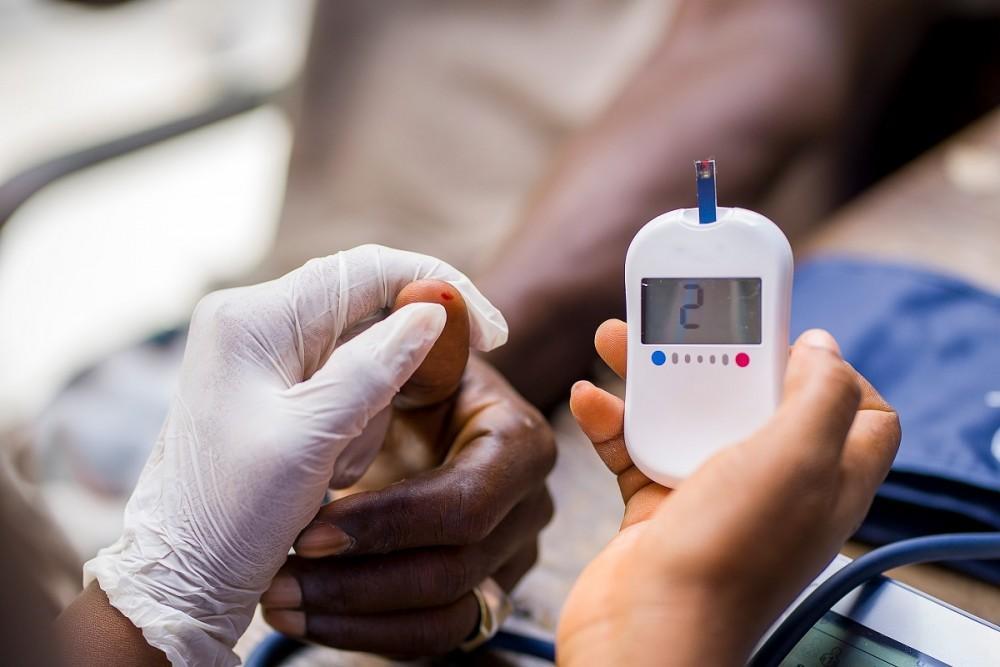
A blood sugar (or blood glucose) test measures the amount of glucose in your blood at a given moment. Glucose is your body’s primary energy source, and it needs to stay within a certain range to keep you energized without harming your tissues.
There are multiple types of blood sugar tests, including:
- Fasting Blood Sugar (FBS): Taken after 8+ hours without food
- Postprandial Blood Sugar (PPBS): Taken 2 hours after eating
- Random Blood Sugar (RBS): Taken anytime, regardless of meals
- Oral Glucose Tolerance Test (OGTT): Measures response over time after drinking a glucose solution
- Continuous Glucose Monitoring (CGM): A wearable device tracking glucose in real-time
- HbA1c Test: Not a blood sugar test per se, but reflects average glucose levels over 3 months
Each test is a snapshot of how well your body manages fuel. High or low values may indicate metabolic imbalance, insulin resistance, or undiagnosed diabetes.
Why a Blood Sugar Test Is More Than Just a Number
We often reduce this test to a score—“What’s your sugar?” But it’s so much more. Your blood glucose:
- Reflects your hormonal balance
- Is affected by stress, sleep, and hydration
- Changes with movement, food type, and meal timing
- Reveals early signs of pre-diabetes even before you feel symptoms
A “normal” sugar reading might still hide glucose spikes, crashes, and insulin stress that silently cause fatigue, cravings, or inflammation.
What Can High or Low Sugar Levels Indicate?
High Blood Sugar (Hyperglycemia)
- Diabetes (Type 1, Type 2, gestational)
- Stress response or illness
- Cortisone medication effects
- Hormonal imbalances like PCOS or thyroid issues
Repeated high sugar levels damage blood vessels, nerves, kidneys, and eyes—even if symptoms are mild.
Low Blood Sugar (Hypoglycemia)
- Skipping meals or irregular eating
- Too much insulin or diabetes meds
- Excessive alcohol without food
- Adrenal or liver dysfunction
Warning signs include dizziness, sweating, confusion, palpitations—often mistaken for anxiety or fatigue.
Who Should Consider Regular Blood Sugar Testing?
- People with a family history of diabetes
- Anyone with obesity, high blood pressure, or PCOS
- Pregnant women (gestational diabetes risk)
- Those with low energy, cravings, or unexplained weight gain
- Patients on long-term steroids or antipsychotics
And yes—even healthy people can benefit from occasional testing to understand how their body reacts to different meals, routines, or stressors.
Beyond the Reading: What Blood Sugar Behavior Can Tell You
Imagine two people have the same blood sugar—110 mg/dL.
- One just ate a banana; it’s expected and healthy.
- The other hasn’t eaten in 12 hours—it’s a red flag.
Context matters. And so does pattern.
That’s why smart tracking—through CGM or journaling alongside testing—can reveal how your body uniquely processes food and stress.
Myths About Blood Sugar Testing
| Myth | Truth |
| You only need it if you’re diabetic | Testing helps prevent diabetes too |
| Fruit is always bad for sugar | Whole fruits affect sugar differently than processed sugar |
| Blood sugar is only affected by food | Stress, sleep, hydration, and hormones all play a role |
| A one-time test is enough | Patterns over time are far more important than a single number |
The Emotional Side of the Blood Sugar Test
This test can also be emotionally triggering—some feel guilt, fear, or confusion around their results. But it’s important to know:
- A bad number is not a failure, it’s feedback
- You can often improve your readings within weeks through small changes
- Knowing your glucose behavior helps you take back control, not lose it
The goal isn’t perfect blood sugar—it’s stable, supported, and self-aware glucose patterns.
Tips to Maintain Healthy Blood Sugar Naturally
- Walk after meals – 10 minutes helps reduce spikes
- Pair carbs with protein or healthy fats
- Avoid skipping meals – especially breakfast
- Stay hydrated – dehydration can falsely elevate sugar
- Manage stress – cortisol pushes glucose into your bloodstream
- Prioritize sleep – even one bad night can raise fasting glucose
About Sunrise Diagnostic Centre:
Sunrise Diagnostic Centre Pune is your trusted destination for accurate and affordable diagnostic services. Specializing in comprehensive blood sugar tests, we offer Fasting Blood Sugar (FBS), Postprandial Blood Sugar (PPBS), Random Blood Sugar (RBS), and HbA1c testing to help you monitor your glucose levels with confidence. As a leading diagnostic centre in Pune, we combine advanced medical technology with expert care to deliver fast and reliable results. Whether you’re tracking diabetes, managing your health proactively, or undergoing a routine checkup, Sunrise Diagnosis Centre Pune is committed to your wellness every step of the way.
Frequently Asked Questions (FAQs)
1. What is a blood sugar test and why is it important?
A blood sugar test measures glucose levels in your blood. It helps detect diabetes, prediabetes, insulin resistance, and metabolic issues early.
2. How often should I check my blood sugar?
People with diabetes should test daily. Others with risk factors—like family history, obesity, PCOS, or high BP—should test every 3–6 months.
3. What is a normal fasting blood sugar level?
A normal fasting blood sugar level is 70–99 mg/dL. Anything higher may indicate prediabetes or diabetes.
4. Can stress or lack of sleep affect blood sugar levels?
Yes. Stress hormones and poor sleep can raise blood sugar levels even if your diet is healthy.
5. What is the difference between FBS, PPBS, and HbA1c tests?
FBS checks fasting glucose, PPBS checks sugar 2 hours after meals, and HbA1c shows your average blood sugar over 3 months.
6. What are the symptoms of high blood sugar (hyperglycemia)?
Common symptoms include increased thirst, frequent urination, fatigue, blurred vision, and slow healing.
7. Can healthy people also take a blood sugar test?
Absolutely. Healthy individuals benefit from occasional testing to track how diet, stress, and lifestyle impact glucose levels.
8. How can I naturally maintain healthy blood sugar levels?
Walk after meals, eat balanced meals with protein, avoid skipping meals, stay hydrated, manage stress, and get adequate sleep.
Conclusion: A Tiny Test with Tremendous Insight
The blood sugar test is one of the simplest, most affordable, and most powerful windows into your metabolic health. It’s not just for people with diabetes—it’s for anyone who wants to understand how their body responds to life itself.
In that tiny drop of blood lies a story: of your choices, your hormones, your habits, and your healing.
Phone: 9028801188, 9028566644, 9028566611
Address: Ground Floor, Shop No. 2, Business Hub Building Opp. Mirch Masala Hotel, Near Vandevi Mandir Karve Road, Karve Nagar, Kothrud, Pune, Maharashtra 411038

Dr. Karishma Shinde, B.H.M.S (MUHS Nashik) PGD, EMS (RHC Pune and the Director of Sunrise diagnostics Centre along with her team works with a vision of rendering care for the happiness of humankind and freedom from illness.