
Undergoing surgery, whether minor or major, requires more than just scheduling an operation date. Behind every safe and successful procedure lies a structured preoperative evaluation process. Diagnostic tests conducted before surgery are not routine formalities; they are critical safeguards designed to minimize risk, optimize patient outcomes, and help the surgical team plan with precision.
Choosing the Best Diagnostic Centre Pune for your preoperative tests ensures accurate reports, advanced technology, and timely results that support informed medical decisions. A trusted Best Diagnostic Centre Pune provides comprehensive screening, from blood investigations and imaging to specialized cardiac and radiology assessments, ensuring you are fully prepared for a safe surgical experience.
Why Pre-Surgical Diagnostic Tests Matter
Before anesthesia is administered and an incision is made, doctors must clearly understand your overall health status. Even if you feel healthy, underlying conditions such as anemia, diabetes, hypertension, or cardiac abnormalities may increase surgical risk.
Preoperative investigations help to:
- Identify undiagnosed medical conditions
- Assess organ function (heart, lungs, kidneys, liver)
- Evaluate bleeding and clotting risk
- Determine fitness for anesthesia
- Reduce intraoperative and postoperative complications
- Create a customized surgical and anesthesia plan
In short, these tests provide a clinical baseline and reduce uncertainty.
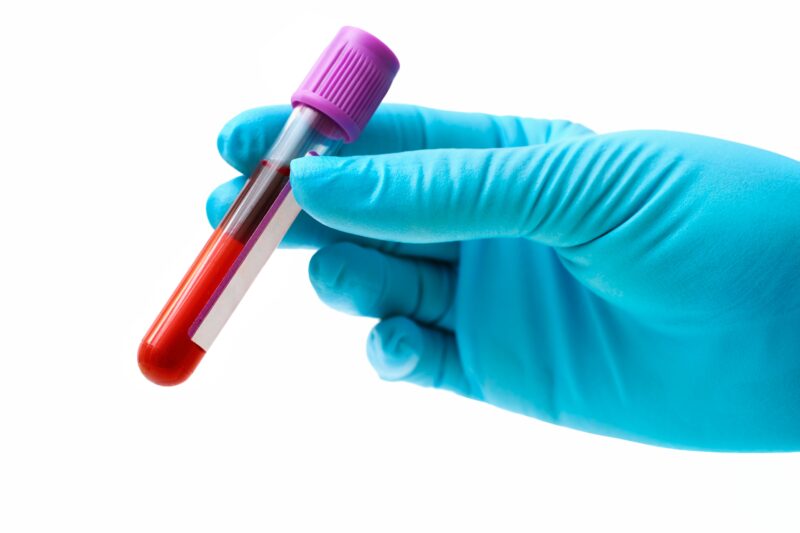
- Blood Tests
Blood investigations form the foundation of preoperative assessment. The specific tests ordered depend on age, medical history, and type of surgery.
Complete Blood Count (CBC)
A CBC evaluates hemoglobin, red blood cells, white blood cells, and platelets.
- Low hemoglobin may indicate anemia, which can increase surgical risk.
- High white blood cells may suggest infection.
- Low platelets can affect clotting and increase bleeding risk.
This test ensures the body can tolerate surgery and heal properly.
Blood Sugar (Glucose Testing)
Uncontrolled blood sugar increases the risk of infection and delays wound healing. Identifying elevated glucose levels before surgery allows doctors to stabilize them in advance.
Kidney Function Test (KFT)
Kidney parameters such as urea and creatinine are evaluated to ensure proper renal function. This is particularly important because many anesthetic drugs are metabolized or excreted through the kidneys.
Liver Function Test (LFT)
The liver plays a key role in drug metabolism and blood clotting. Abnormal liver function may influence medication dosing and surgical planning.
Coagulation Profile (PT, INR, aPTT)
These tests assess blood clotting ability. If clotting is impaired, the surgical team can take preventive measures to reduce bleeding complications.
- Urine Examination
A routine urine test helps detect:
- Urinary tract infections
- Protein loss
- Kidney abnormalities
- Undiagnosed diabetes
If an infection is detected, surgery may be postponed until it is treated to avoid postoperative complications.
- Electrocardiogram (ECG)
An electrocardiogram evaluates the electrical activity of the heart. It helps detect:
- Arrhythmias
- Previous silent heart attacks
- Ischemic changes
- Structural abnormalities
Patients above a certain age or those with risk factors such as hypertension or diabetes are routinely advised to undergo ECG testing. Cardiac stability is essential before administering anesthesia.
- Chest X-ray
A chest X-ray assesses the lungs and heart size. It is particularly useful for:
- Smokers
- Patients with respiratory symptoms
- Elderly individuals
- Those with a history of tuberculosis or chronic lung disease
It helps identify infections, fluid accumulation, or structural abnormalities that could complicate anesthesia.
- Imaging Studies (If Required)
Depending on the type of surgery, additional imaging may be recommended, such as:
- Ultrasound
- CT scan
- MRI
These tests provide detailed anatomical information and assist in surgical planning. For example, abdominal surgery may require imaging to localize pathology accurately.
- Specialized Tests Based on Condition
Some patients require targeted investigations, such as:
- Thyroid function tests
- Echocardiography
- Pulmonary function tests
These are ordered when the medical history suggests specific risk factors.
Are All Tests Necessary for Everyone?
No. Preoperative testing should be individualized. Modern medical guidelines discourage unnecessary routine testing. Instead, investigations are tailored based on:
- Age
- Medical history
- Type and duration of surgery
- Anesthesia risk category
The goal is appropriate testing—not excessive testing.
How These Tests Improve Surgical Safety
Pre-surgical investigations reduce risk in three critical ways:
- Risk Identification – Detecting hidden conditions before surgery.
- Risk Optimization – Correcting abnormalities such as anemia or high blood sugar beforehand.
- Risk Planning – Allowing surgeons and anesthesiologists to prepare contingency measures.
This systematic evaluation significantly lowers the chance of unexpected complications during or after surgery.
What Patients Should Do Before Testing
To ensure accurate results:
- Follow fasting instructions if advised.
- Inform your doctor about all medications and supplements.
- Disclose any allergies or prior anesthesia reactions.
- Share complete medical history honestly.
Clear communication improves safety and surgical outcomes.
Final Thoughts
Preoperative diagnostic tests are not merely procedural requirements—they are a structured safety framework. Each investigation contributes valuable information that helps doctors make informed decisions, reduce complications, and improve recovery outcomes.If you are scheduled for surgery, consider these tests as protective measures designed to ensure that your procedure proceeds smoothly and safely. Proper evaluation today significantly reduces risks tomorrow.
Phone: 9028801188, 9028566644, 9028566611
Address: Ground Floor, Shop No. 2, Business Hub Building Opp. Mirch Masala Hotel, Near Vandevi Mandir Karve Road, Karve Nagar, Kothrud, Pune, Maharashtra 411038
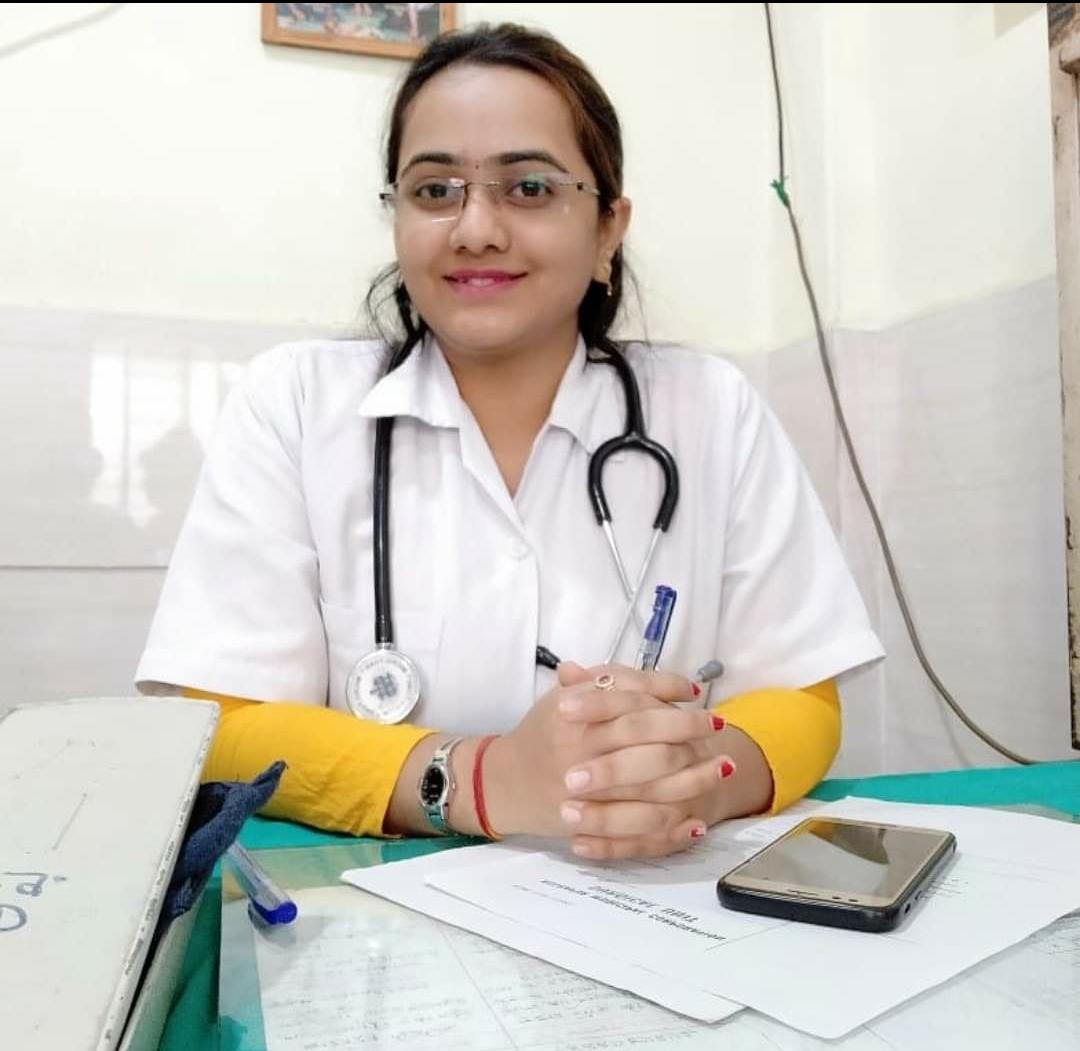
Dr. Karishma Shinde, B.H.M.S (MUHS Nashik) PGD, EMS (RHC Pune and the Director of Sunrise diagnostics Centre along with her team works with a vision of rendering care for the happiness of humankind and freedom from illness.