Table of Contents
Introduction
The human heart beats nearly 100,000 times a day, silently sustaining life. But what if the heart is in distress? Before a major event like a heart attack becomes obvious, the body often tries to signal early damage.
One of the earliest and most trusted messengers is the CPK-MB blood test, a diagnostic tool that tracks an enzyme your heart muscle releases when it’s injured. It’s not just a number—it’s the heart’s biochemical cry for help.
At a leading Diagnostic Centre Pune, this test plays a vital role in identifying early signs of heart damage. In this blog, we’ll uncover how the CPK-MB test works, why it still matters in modern medicine, and what your heart might be trying to tell you through this powerful but often misunderstood enzyme.
What Is CPK-MB ?
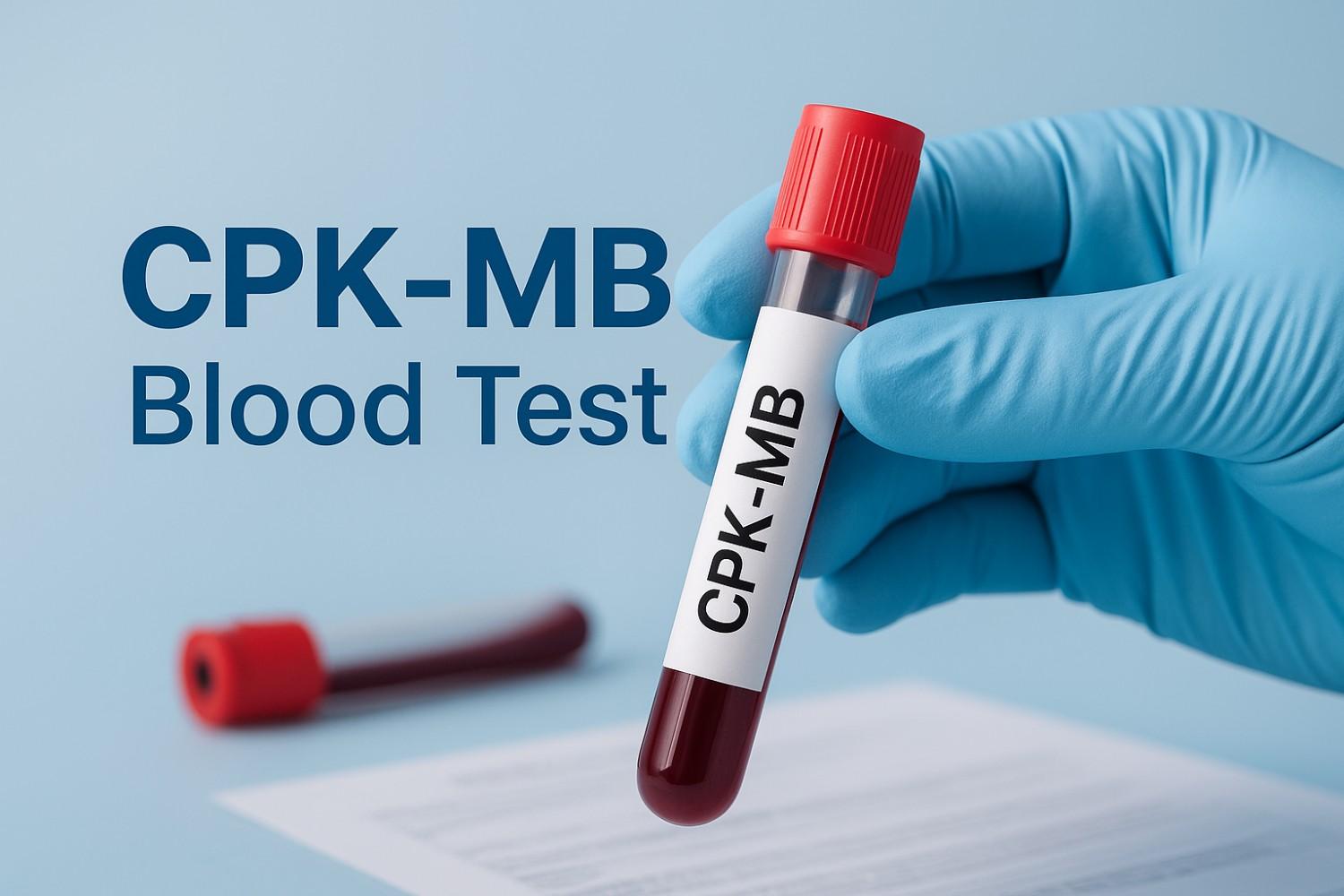
CPK-MB stands for Creatine Phosphokinase – MB Isoenzyme, a specific type of enzyme found mostly in heart muscle. It belongs to the broader family of creatine kinase (CK or CPK) enzymes, which help your cells store and use energy.A blood test CPK-MB measures the level of heart-specific creatine kinase released into the bloodstream after myocardial injury. It is often done alongside ECG and troponin tests to provide a complete picture of cardiac health.
There are three isoenzymes:
- CPK-MM – Found in skeletal muscles
- CPK-BB – Found in the brain
- CPK-MB – Primarily found in the heart muscle
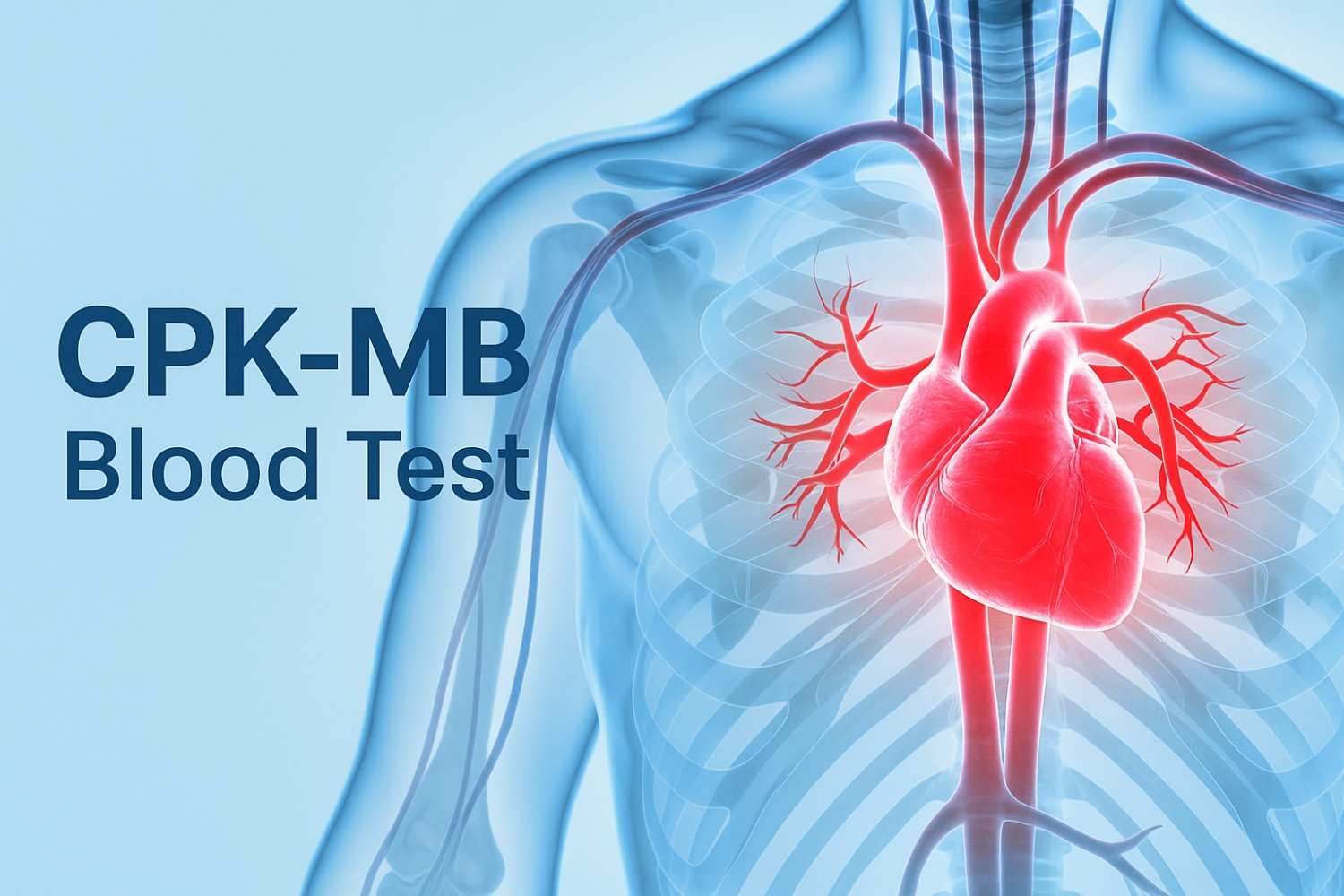
When the heart is injured—by a heart attack, inflammation, or trauma—CPK-MB leaks into the bloodstream, and levels rise quickly.
Normal Reference Range (may vary slightly by lab)
- CPK-MB: 0 – 5 ng/mL
- Or, as % of total CPK: <6%
Elevated levels above these suggest that heart muscle damage has occurred—especially when CPK-MB is rising faster than total CPK.
Why Is the CPK-MB Test Important?
Though newer cardiac markers like troponins are now more commonly used, CPK-MB remains important in many situations, including:
- Suspected heart attack (myocardial infarction)
- Monitoring repeat or recurrent heart attacks
- Evaluating chest pain when ECG is inconclusive
- Detecting early heart damage after surgery or trauma
- In patients where troponin is unreliable (e.g., kidney disease)
CPK-MB rises quickly (within 3–6 hours) of heart injury and falls within 2–3 days, helping doctors track the timing and progression of a cardiac event.
When Does CPK-MB Rise?
An elevated CPK-MB can indicate:
- Heart Attack (Myocardial Infarction) – CPK-MB rises within 4 hours, peaks at 24 hours, and returns to normal in 48–72 hours.
- Myocarditis – Inflammation of the heart muscle due to infection, autoimmune disease, or unknown causes.
- Cardiac Trauma – From blunt injury to the chest or surgical procedures like bypass surgery or angioplasty.
- Electrical or Chemical Stress – After cardioversion (shock therapy) or severe electrolyte imbalance.
- Re-infarction – If CPK-MB rises again after initially dropping, it may suggest a second heart attack.
CPK-MB vs. Troponin – What’s the Difference?
| Feature | CPK-MB | Troponin |
| Rises after heart damage | 3–6 hours | 3–6 hours |
| Peaks at | 18–24 hours | 24–48 hours |
| Returns to normal | 2–3 days | 5–14 days |
| Best for | Timing events or re-injury | Confirming even small injuries |
| Limitation | Can be elevated with skeletal muscle damage | Stays elevated longer, harder to detect re-infarction |
Takeaway: CPK-MB is still clinically valuable in timing-sensitive or repeat-event cases, while troponins are superior for sensitivity.
What If CPK-MB Is Mildly Elevated?
Not all elevated CPK-MB means a heart attack. Other possible causes include:
- Severe muscle strain or injury
- Intense physical exertion (e.g., marathon running)
- Muscle diseases like polymyositis
- Renal failure (slows enzyme clearance)
- Electric shock or seizures
- Certain medications (statins, antipsychotics)
That’s why correlating symptoms and ECG findings is crucial—lab results alone don’t tell the whole story.
How Is the CPK-MB Test Done?
It’s a simple blood test in Pune, often repeated every few hours to track rising or falling trends.
A blood test CPK-MB measures the level of heart-specific creatine kinase released into the bloodstream after myocardial injury. It is often done alongside ECG and troponin tests to provide a complete picture of cardiac health.
This helps clinicians:
- Estimate when heart damage began
- Monitor whether the damage is worsening or improving
- Differentiate between new and old cardiac events
Real-Life Examples of CPK-MB in Action
- A man with subtle chest pressure and no ECG changes showed rising CPK-MB—early heart attack diagnosed before it worsened.
- A woman post-angioplasty had a delayed rise in CPK-MB, revealing silent heart tissue damage after the procedure.
- An athlete misdiagnosed with cardiac stress was found to have normal CPK-MB and elevated total CPK—pinpointing skeletal, not heart, strain.
How to Keep Your CPK-MB Levels in Check
The goal isn’t just to track damage—it’s to prevent it. Here’s how:
- Maintain a heart-healthy lifestyle – regular exercise, more fiber, less saturated fat
- Avoid tobacco and excess alcohol – both stress the heart
- Manage blood pressure and diabetes – silent killers of heart tissue
- Get regular checkups – especially if you have family history of heart disease
- Report chest pain early – don’t wait for it to “go away”
- Take prescribed medications consistently – statins, aspirin, beta-blockers
Myths About CPK-MB Debunked
| Myth | Truth |
| “CPK-MB is outdated and useless now” | It’s still crucial in specific cardiac timing cases |
| “It always means a heart attack” | Not necessarily—other injuries and conditions can raise it |
| “Normal CPK-MB means my heart is fine” | Some injuries only show up in troponin, not CPK-MB |
| “It’s only for emergency cases” | Can also monitor heart damage post-surgery or trauma |
Understanding CPK total vs CPK-MB is essential, as total CPK may rise due to muscle injury or exercise, while CPK-MB elevation is more specific to heart muscle damage.
Conclusion: CPK-MB – The Enzyme That Speaks for the Heart
The CPK-MB blood test is more than just a number—it’s your heart’s way of speaking up when under pressure. Whether you’re recovering from a cardiac event, undergoing surgery, or being evaluated for chest pain, this test helps reveal where your heart stands, and where it’s heading.
At Sunrise Diagnostic Centre, Pune, we provide accurate and reliable CPK-MB testing with expert guidance—because your heart deserves timely care.
Monitoring CPK-MB levels helps clinicians detect heart injury early, assess treatment response, and prevent serious cardiac complications.
Frequently Asked Questions (FAQs)
1. What is the CPK-MB test and why is it done?
The CPK-MB test measures a heart-specific enzyme that rises when the heart muscle is damaged. It helps diagnose heart attack, myocarditis, and cardiac injury early.
2. What are normal CPK-MB levels?
Normal CPK-MB levels are 0–5 ng/mL or less than 6% of total CPK. Higher values may indicate heart muscle damage.
3. When should I get a CPK-MB test?
You may need this test if you have chest pain, shortness of breath, suspected heart attack, heart trauma, or if ECG results are unclear.
4. What causes high CPK-MB levels?
High CPK-MB levels can be caused by a heart attack, myocarditis, cardiac surgery, chest injury, or electrical shock. It may also rise in re-infarction.
5. Is CPK-MB test better than troponin?
Both are important. Troponin is more sensitive, but CPK-MB is better for detecting repeat heart attacks because it returns to normal faster.
6. Can CPK-MB be high without a heart attack?
Yes. Levels may rise due to intense exercise, muscle diseases, seizures, kidney issues, or certain medications like statins.
7. How is the CPK-MB test done?
It is a simple blood test, often repeated every few hours to check rising or falling trends of heart damage.
8. Where can I get an accurate CPK-MB test in Pune?
You can get reliable CPK-MB testing in Pune at Sunrise Diagnostic Centre with advanced machines, expert reporting, and quick results.
Phone: 9028801188, 9028566644, 9028566611
Address: Ground Floor, Shop No. 2, Business Hub Building Opp. Mirch Masala Hotel, Near Vandevi Mandir Karve Road, Karve Nagar, Kothrud, Pune, Maharashtra 411038

Dr. Karishma Shinde, B.H.M.S (MUHS Nashik) PGD, EMS (RHC Pune and the Director of Sunrise diagnostics Centre along with her team works with a vision of rendering care for the happiness of humankind and freedom from illness.