Table of Contents
Introduction
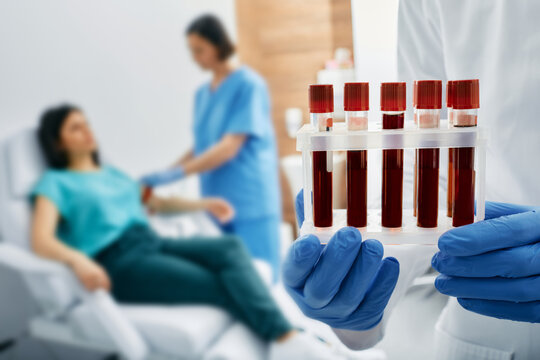
When a wound occurs, we often admire how the body clots blood—seemingly magically. But behind the scenes, there’s a silent orchestra of proteins and enzymes working in perfect harmony. The PTTK blood test is one of the few tools that lets doctors listen in on this symphony.
PTTK (Partial Thromboplastin Time with Kaolin) is not just a clotting test—it’s a deep probe into your blood’s internal timing, balance, and response to trauma. It tells us if your clotting system is tuned correctly—or if it’s prone to sudden bleeding or dangerous clots.
Let’s explore why this test is far more fascinating—and useful—than most people realize.
What is PTTK?
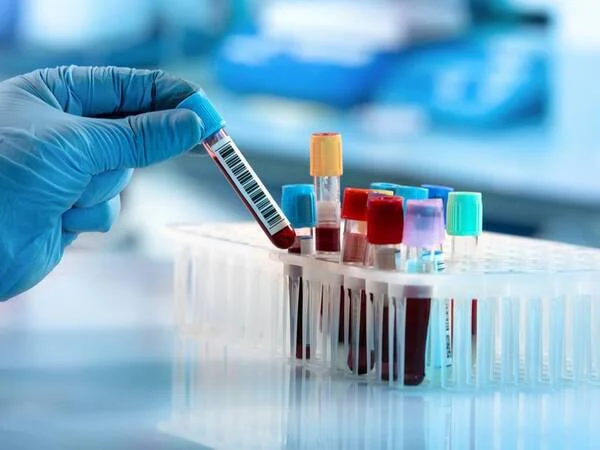
PTTK is a variation of the APTT (Activated Partial Thromboplastin Time) test, but enhanced by the addition of kaolin, a clay-like activator that sharpens the sensitivity of the clotting pathway being tested.
- It measures how long it takes for your blood to form a fibrin clot after activation of the intrinsic and common clotting pathways.
- Specifically checks for clotting factors VIII, IX, XI, XII, and others, along with heparin influence.
Think of it like a dress rehearsal: the body simulates internal bleeding, and PTTK times how fast the response team arrives.
Why Kaolin? What Makes PTTK Unique?
Kaolin is added to increase the accuracy of the clotting response. It works by:
- Activating Factor XII more efficiently
- Reducing external noise or variability from other plasma components
- Providing a consistent, repeatable result in lab conditions
This makes PTTK especially useful in research settings, rare disorder detection, and monitoring heparin therapy with higher reliability than APTT in some cases.
Uncommon Insights You Won’t Find in Standard Textbooks
PTTK Can Reveal Hidden Genetic Bleeding Disorders
While normal PT or bleeding time may miss them, PTTK can pick up subtle prolongations in:
- Hemophilia A (Factor VIII deficiency)
- Hemophilia B (Factor IX deficiency)
- Von Willebrand Disease (in severe forms)
In some mild hemophilia patients, the first and only clue may be a mildly prolonged PTTK—years before a major bleeding event.
PTTK Reacts to Heparin… Even When You Don’t Know It’s There
Hospitalized patients may receive heparin-coated lines or flushes, which can mildly affect PTTK even without a formal heparin prescription. This makes it a subtle detector of accidental anticoagulation—a hidden use few talk about.
The PTTK-Surgery Connection
Before surgeries, especially neurosurgery, dental extractions, or spinal anesthesia, a prolonged PTTK can:
- Prompt delay of surgery
- Guide plasma infusions or factor corrections
- Prevent catastrophic bleeding during procedures involving enclosed spaces (like the brain or eye)
Kaolin’s Role in Future Diagnostics
Kaolin is not just a lab tool—it’s being studied in trauma care, military medicine, and even surgical sponges to help accelerate clotting externally. Understanding how blood reacts to kaolin in vitro (through PTTK) may help develop better wound-care products.
What Causes Abnormal PTTK Results?
Prolonged PTTK may indicate:
- Hemophilia A/B
- Von Willebrand disease
- Lupus anticoagulant (a clotting risk despite prolonged time)
- Liver disease (affecting clotting factor synthesis)
- Vitamin K deficiency (rarely shows on PTTK but may contribute)
- Heparin therapy
Shortened PTTK (less commonly discussed):
- Inflammation or infection (some cytokines increase clotting speed)
- High levels of clotting factors from stress or trauma
- Cancer-related prothrombotic states
The Mystery of Lupus Anticoagulant and PTTK
Despite its name, lupus anticoagulant increases clot risk but prolongs PTTK. This paradox makes the test important in screening patients with:
- Recurrent pregnancy loss
- Unexplained thrombosis
- Autoimmune conditions like lupus, Sjögren’s, or antiphospholipid syndrome
PTTK helps expose dangerous clotting risks hiding beneath the surface.
What Makes PTTK Still Relevant in a Modern Lab World
While newer coagulation panels and factor-specific assays exist, PTTK:
- Is cost-effective in resource-limited settings
- Offers broad insight into multiple clotting factors at once
- Serves as a reliable screening tool before surgeries
- Is essential in emergency medicine, where clotting status must be assessed rapidly
Conclusion: PTTK as Your Blood’s Stopwatch
The PTTK blood test is like placing a stopwatch on your body’s healing reflexes. It doesn’t just measure a clot—it evaluates the orchestration of your clotting team, how well they work together, and whether any silent players are missing.
At Sunrise Diagnostic Centre Pune, we offer a wide range of blood tests in Pune, including the highly sensitive PTTK test (also known as APTT test) to assess your blood’s clotting function. Whether you’re preparing for surgery, monitoring a condition like hemophilia, or need a clotting profile test in Pune, our advanced diagnostics and expert team ensure accurate results and timely reports. Looking for a trusted diagnostic centre near me? Visit Sunrise Diagnostic Centre for safe, affordable, and precise testing services.
Far from outdated, PTTK is a clinical crystal ball, offering foresight into disorders that might remain hidden—until it’s too late.
Frequently Asked Questions (FAQs)
1. What is the PTTK Test and why is it important?
The PTTK Test (Partial Thromboplastin Time with Kaolin) measures how long your blood takes to clot. It helps detect bleeding disorders, clotting issues, and heparin effect.
2. What conditions can a PTTK Test detect?
The PTTK Test can detect hemophilia A/B, von Willebrand disease, lupus anticoagulant, liver disease, and problems with multiple clotting factors.
3. Why is kaolin used in the PTTK Test?
Kaolin increases test accuracy by activating clotting factors more efficiently, giving a more reliable measure of the intrinsic clotting pathway.
4. When should I get a PTTK Test in Pune?
You may need the test before surgeries, if you have unexplained bleeding, recurrent miscarriages, clotting issues, or are on heparin therapy.
5. What causes a prolonged PTTK result?
Prolonged PTTK may be due to hemophilia, lupus anticoagulant, liver disease, heparin exposure, or clotting factor deficiencies.
6. What does a shortened PTTK indicate?
A shortened PTTK may occur due to inflammation, stress, trauma, or high clotting factor levels, often signaling a pro-clotting state.
7. How is the PTTK Test done at Sunrise Diagnostic Centre?
A simple blood sample is taken and analyzed with advanced equipment for accurate, fast clotting time results.
8. Is PTTK better than APTT for clotting evaluation?
PTTK is considered more sensitive because kaolin enhances clotting activation, making it helpful for detecting mild bleeding disorders.
Phone: 9028801188, 9028566644, 9028566611
Address: Ground Floor, Shop No. 2, Business Hub Building Opp. Mirch Masala Hotel, Near Vandevi Mandir Karve Road, Karve Nagar, Kothrud, Pune, Maharashtra 411038

Dr. Karishma Shinde, B.H.M.S (MUHS Nashik) PGD, EMS (RHC Pune and the Director of Sunrise diagnostics Centre along with her team works with a vision of rendering care for the happiness of humankind and freedom from illness.