
Introduction
The CRP (C-reactive protein) blood test is often listed quietly on a lab report, overshadowed by blood sugar, cholesterol, or hemoglobin. Yet, few tests reflect your body’s real-time stress and inflammation as accurately—or as urgently—as CRP. More than just a number, CRP Blood Test is your immune system’s distress call in protein form.
But what if CRP could also reveal silent inflammations, emotional burnout, or even signal how your body might react to future illnesses?
Let’s decode the little-known dimensions of this mighty protein.
What is CRP Really?
CRP is a protein made by your liver in response to inflammation, particularly due to infection, injury, or autoimmune reactions. When the body perceives a threat—be it a bacterial invader or internal tissue damage—it calls on the liver to release CRP into the bloodstream.
Unlike ESR, which is a slow and indirect inflammation marker, CRP rises within hours and can drop quickly when inflammation subsides. Think of it as your body’s emergency flare.
Beyond Basics: What the Internet Doesn’t Tell You About CRP
- CRP Can Predict Illness Before It Strikes
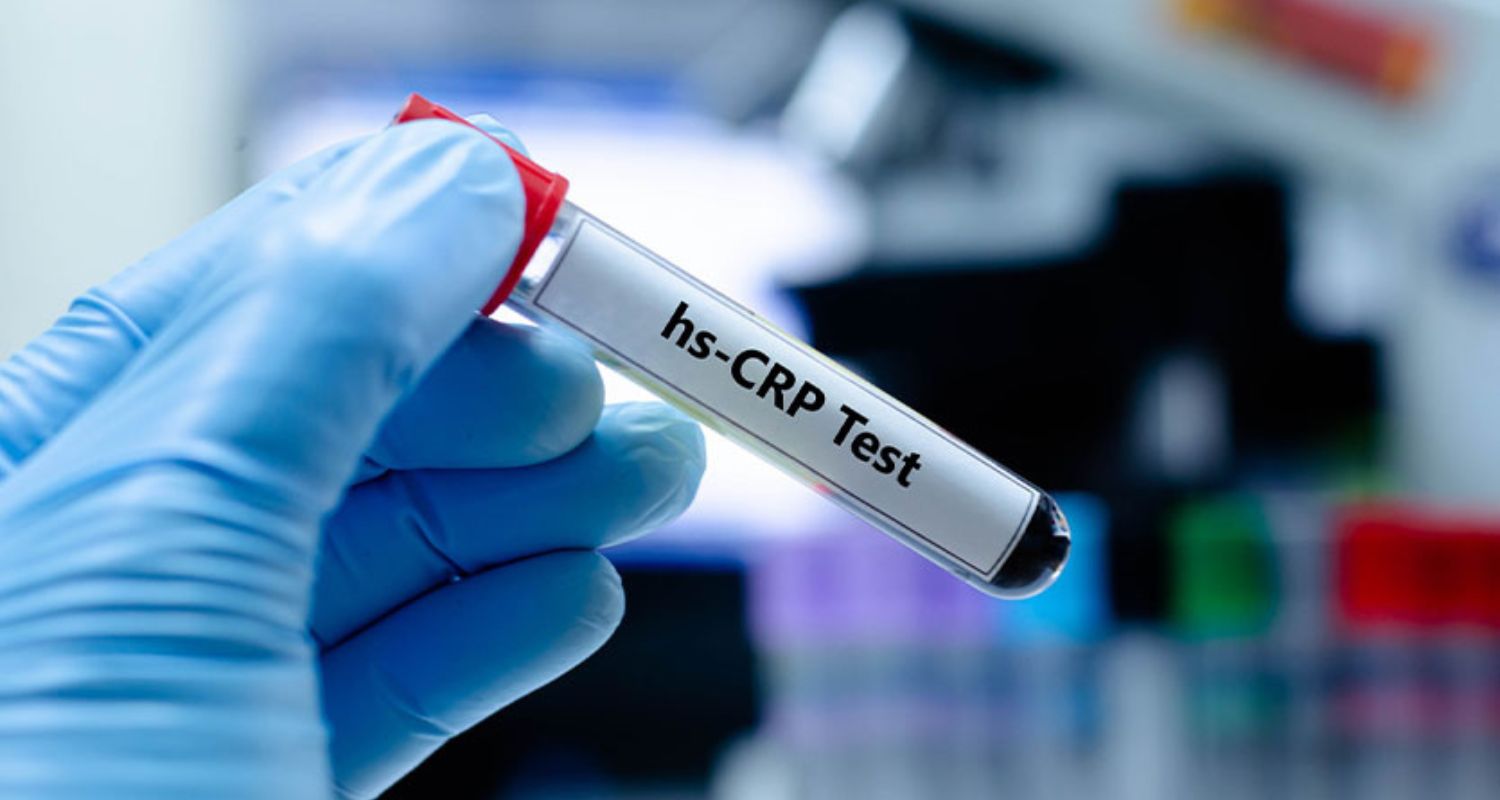
In many chronic conditions like heart disease or type 2 diabetes, elevated hs-CRP (high-sensitivity CRP) levels appear months or even years before any symptoms show up. It’s like a smoke detector warning of slow-burning fire.
In fact:
- A CRP above 3 mg/L (in absence of infection) can indicate a high risk of heart attack, even in young, fit individuals.
- Persistently elevated CRP is now being studied as a predictor of cognitive decline and Alzheimer’s.
Recent studies have hinted that emotional trauma, depression, and chronic stress can raise CRP levels. This opens new possibilities:
- CRP could become part of mental health assessments.
- Emotional burnout in caregivers, parents, or professionals might be visible through CRP levels—long before physical illness begins.
This mind-body connection is almost never addressed in standard CRP test descriptions.
When CRP Talks, the Body Listens
- The 6-Hour Rule
CRP starts rising within 6 hours of an inflammatory trigger, making it one of the earliest indicators in:
- Acute appendicitis
- Autoimmune flares (like lupus or rheumatoid arthritis)
- Sepsis or bloodstream infections
Doctors often repeat CRP after 24–48 hours not just to monitor improvement—but to predict response to treatment. A falling CRP is a good sign. A stubborn CRP suggests hidden issues or treatment failure.
- CRP as a Post-Surgical GPS
After surgeries, especially abdominal or orthopedic, doctors monitor CRP to watch for internal infections. An unexpected spike 2–3 days post-op might signal:
- Wound infection
- Internal abscess
- Implant rejection
Interestingly, CRP can rise slightly just from the surgical trauma itself—but will begin to fall within 48 hours unless infection sets in. That pattern tells more than any scan.
Why CRP Can Be Misunderstood
- “It’s normal, so I’m fine” – Not always. A single normal CRP doesn’t rule out localized or low-grade inflammation. Chronic illnesses can “bypass” CRP.
- “It’s high, I must have an infection” – Maybe not. CRP also rises in:
- Intense exercise
- Autoimmune flares
- Major stress
- Even certain cancers (like lymphoma)
- CRP vs. ESR – Think of CRP as the fire alarm, and ESR as the ash trail. CRP is for acute fires; ESR is for long-burning coals.
Emerging and Future Uses of CRP
▸ Personalized Treatment Response
CRP levels are now used to titrate immunotherapy or biologic drugs in diseases like Crohn’s or ulcerative colitis. A rapid fall in CRP after therapy indicates cellular response even before symptoms improve.
▸ Predicting Recovery Time
CRP may soon be used in sports medicine to gauge how quickly athletes recover post-training or injury. This could help prevent overtraining-related illnesses.
▸ Biohacking and Wellness Trends
Some health enthusiasts now track hs-CRP monthly to detect early signs of burnout, overtraining, or hidden allergies. Though not yet standard, it’s becoming a quantified self marker.
What You Should Ask Your Doctor About CRP
- Was it a regular CRP or high-sensitivity (HS-CRP)?
- Do I need to repeat it after 2–3 days to confirm a trend?
- Could this be a false-positive due to recent exercise, smoking, or stress?
- What other tests should accompany this to get the full picture?
At Sunrise Diagnostic Centre, a trusted diagnostic centre in Pune, we believe that early detection is the key to better health outcomes. The CRP blood test is a simple yet powerful tool to identify underlying inflammation, track recovery, and even uncover hidden health issues before symptoms appear. Whether you’re monitoring a chronic condition, recovering from surgery, or just want a clearer picture of your immune health, our expert team ensures accurate testing and personalized care. Book your CRP test today and take a proactive step toward better health.
Conclusion
The CRP blood test is far more than a number—it’s a real-time conversation between your liver and immune system. Often overlooked or misinterpreted, it can quietly predict illness, track recovery, and even expose the wear and tear of modern life on your immune system.
Frequently Asked Questions
1. What is the CRP blood test used for?
The CRP blood test detects inflammation in the body and helps diagnose infections, autoimmune diseases, heart disease risk, and post-surgery complications.
2. What is the normal CRP level?
A normal CRP is usually below 3 mg/L. Higher levels may indicate inflammation, infection, or chronic disease.
3. What is the difference between CRP and hs-CRP?
hs-CRP (high-sensitivity CRP) measures very small amounts of inflammation and is mainly used to assess heart disease and cardiac risk, while regular CRP detects acute inflammation.
4. What causes high CRP levels?
High CRP may be due to infections, injury, autoimmune disorders, surgery, chronic stress, or heart disease risk.
5. Can stress or emotions increase CRP levels?
Yes. Chronic stress, emotional burnout, and poor sleep can raise CRP inflammation markers even without physical illness.
You should get a CRP test if you have fever, joint pain, swelling, chronic fatigue, post-surgery symptoms, or unexplained inflammation.
7. Can CRP levels help predict heart disease?
Yes. An hs-CRP above 3 mg/L may indicate a higher risk of heart attack or cardiovascular disease, even in healthy individuals.
8. Where can I get a CRP blood test in Pune?
You can get a fast and accurate CRP test at Sunrise Diagnostic Centre, Pune, known for reliable reports and expert health assessment.
Phone: 9028801188, 9028566644, 9028566611
Address: Ground Floor, Shop No. 2, Business Hub Building Opp. Mirch Masala Hotel, Near Vandevi Mandir Karve Road, Karve Nagar, Kothrud, Pune, Maharashtra 411038