
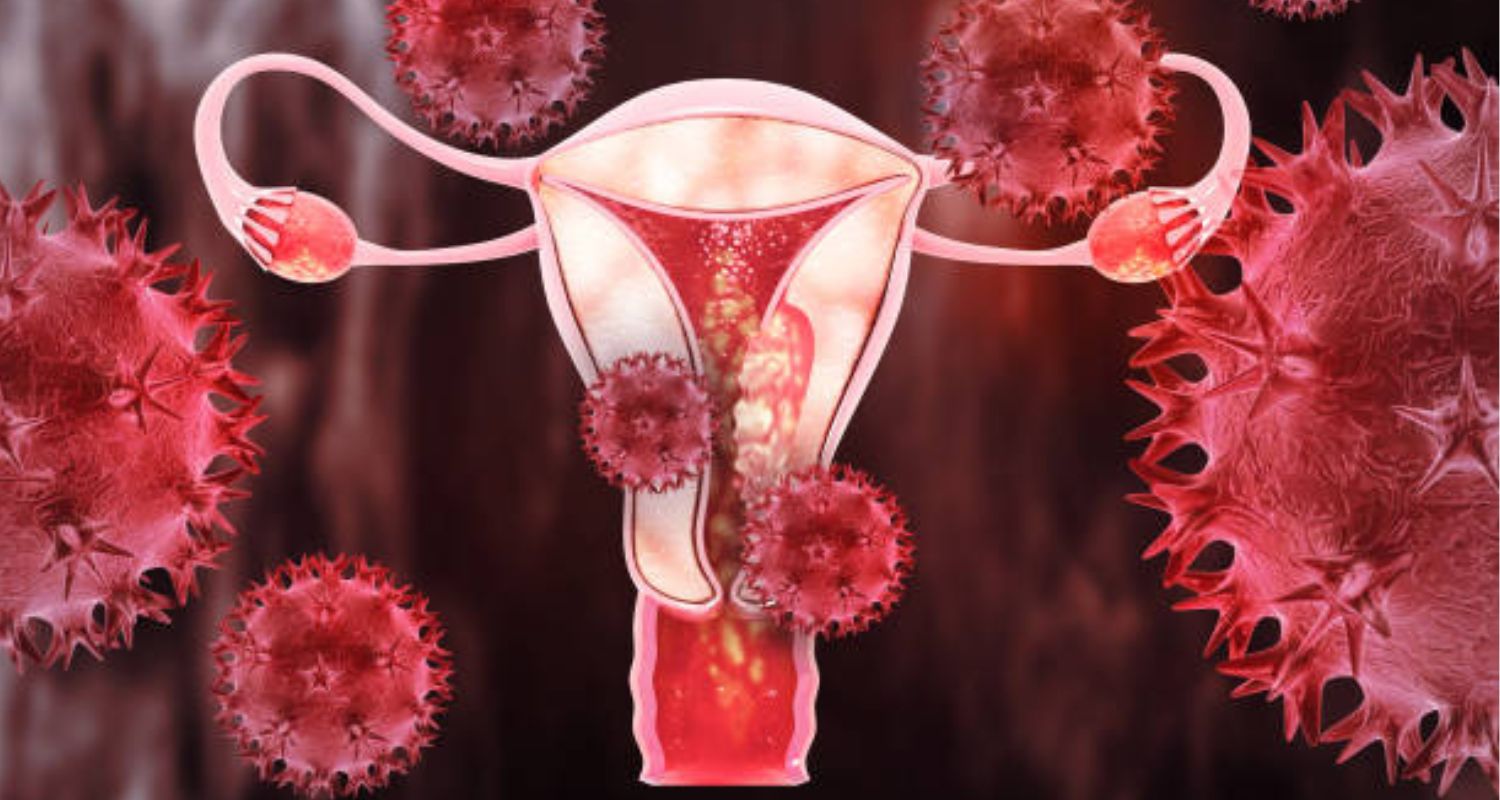
Menopause is a natural biological process that marks the end of a woman’s menstrual cycle and reproductive years. It typically occurs in women between their late 40s and early 50s but can vary. Menopause is confirmed after a woman goes 12 consecutive months without a menstrual period. The transition to menopause, called perimenopause, can bring various physical and emotional changes due to fluctuating hormone levels, particularly estrogen and progesterone.
Here are the effects of menopause on women’s health in detail:
1. Hormonal Changes
- Estrogen Decrease: The primary change is a significant drop in estrogen levels, affecting various bodily systems.
- Progesterone Decrease: Levels of progesterone also fall, which can impact the menstrual cycle and overall health.
2. Physical Symptoms
- Hot Flashes: Sudden feelings of heat, often accompanied by sweating and a red, flushed face.
- Night Sweats: Severe hot flashes that occur at night, disrupting sleep.
- Vaginal Dryness: Reduced estrogen can cause thinning and drying of the vaginal walls, leading to discomfort and painful intercourse.
- Weight Gain: Changes in hormone levels can lead to weight gain, particularly around the abdomen.
- Sleep Disturbances: Insomnia and other sleep issues are common due to hormonal changes and night sweats.
- Joint and Muscle Pain: Hormonal changes can cause stiffness, pain, and swelling in the joints.
- Bone Density Loss: Decreased estrogen levels accelerate bone loss, increasing the risk of osteoporosis.
Also Read: Comprehensive Guide to Creatinine Test in Pune
Comprehensive Guide to Creatinine Test in Pune
3. Emotional and Psychological Symptoms
- Mood Swings: Hormonal fluctuations can lead to mood swings, irritability, and depression.
- Memory Issues: Some women experience problems with memory and concentration, often referred to as “brain fog.”
- Anxiety: Increased feelings of anxiety and stress can occur during menopause.
4. Long-term Health Risks
- Cardiovascular Disease: The risk of heart disease increases post-menopause due to lower estrogen levels.
- Osteoporosis: Thinning bones and an increased risk of fractures due to reduced bone density.
- Urinary Incontinence: Weakened pelvic muscles can lead to a higher risk of urinary incontinence.
- Breast Cancer: Hormone replacement therapy (HRT) used to manage menopause symptoms can increase the risk of breast cancer.
5. Management and Treatment Options
- Hormone Replacement Therapy (HRT): Can help manage symptoms by replacing lost hormones but has associated risks.
- Lifestyle Changes: Diet, exercise, and stress management can mitigate some symptoms.
- Medications: Non-hormonal medications can help with specific symptoms like hot flashes and bone loss.
- Alternative Therapies: Acupuncture, herbal supplements, and other alternative treatments may provide relief for some women.
Importance of Regular Check-Ups
Regular check-ups at a healthcare facility like Sunrise Diagnostic Center can help manage and monitor the effects of menopause on a woman’s health. During a check-up, healthcare providers may:
- Monitor Bone Density: To check for osteoporosis and recommend treatments if necessary.
- Evaluate Heart Health: Regular screenings for blood pressure, cholesterol levels, and other cardiovascular risks.
- Manage Symptoms: Provide personalized treatment plans to manage menopausal symptoms effectively.
- Cancer Screenings: Regular mammograms and other screenings to detect early signs of cancer.
- Counseling and Support: Provide mental health support and counseling to manage emotional and psychological symptoms.
Frequently Asked Questions (FAQs)
1. What is menopause and when does it start?
Menopause is the natural end of menstrual cycles and usually occurs between ages 45–55 after 12 months without a period.
2. What are the early signs of menopause?
Common early symptoms include hot flashes, night sweats, irregular periods, mood swings, vaginal dryness, and sleep problems.
3. Why do women experience hot flashes during menopause?
Hot flashes occur due to falling estrogen levels, which affect the body’s temperature regulation system.
4. How does menopause affect bone health?
Low estrogen causes bone density loss, increasing the risk of osteoporosis and fractures in postmenopausal women.
5. Can menopause cause weight gain?
Yes, hormonal changes can slow metabolism and lead to weight gain around the abdomen during menopause.
6. How does menopause impact mental health?
Many women experience mood swings, anxiety, irritability, and memory issues due to hormonal fluctuations.
7. What treatments help manage menopause symptoms?
Hormone Replacement Therapy (HRT), lifestyle changes, non-hormonal medicines, and alternative therapies can help manage symptoms.
8. Why are regular health check-ups important during menopause?
Regular check-ups help monitor bone health, heart health, hormone levels, and detect risks like osteoporosis or cardiovascular disease early.
Contact Sunrise Diagnostic Center
For regular check-ups and management of menopause-related health issues, you can contact Sunrise Diagnostic Center:
- Mobile: +91 9028801188 / 9028566644
Ensuring regular health check-ups can help manage menopause effectively and maintain overall well-being.
Ground Floor, Shop No. 2, Business Hub, Opp. Hotel Mirch Masala, Near Vandevi Mandir Chowk, Kothrud, Pune 411038, India.
Mobile: +91 9028801188 / 9028566644
Timing: 7:30 Am to 11:00 pm, Sundays – 7:30 am to 2:00 pm