If you’ve ever had a blood test, you know it can feel a little intimidating. After all, the results of your blood test can tell your doctor a lot about your health—so it’s important to make sure you’re prepared before heading into the lab.
In this article, we’ll give you four key tips to consider before your next blood test. From what to eat and drink beforehand to understanding the different types of tests, we’ll help ensure nothing gets in the way of getting an accurate reading on your health. Once you know our tips and tricks for prepping for a blood test, you can walk into the lab feeling confident and ready!
Table of Contents
What Is the Purpose of a Blood Test?
A blood test is a medical diagnostic tool used to measure various components of your blood, such as red and white blood cells, platelets, electrolytes, and hormones. The purpose of a blood test is to detect, diagnose, and monitor various medical conditions and diseases.
Blood tests are an essential tool for diagnosing many medical conditions, such as infections, anemia, thyroid problems, and diabetes. The test results can help your healthcare provider to understand your overall health status, identify potential health problems, and monitor the effectiveness of your treatment.
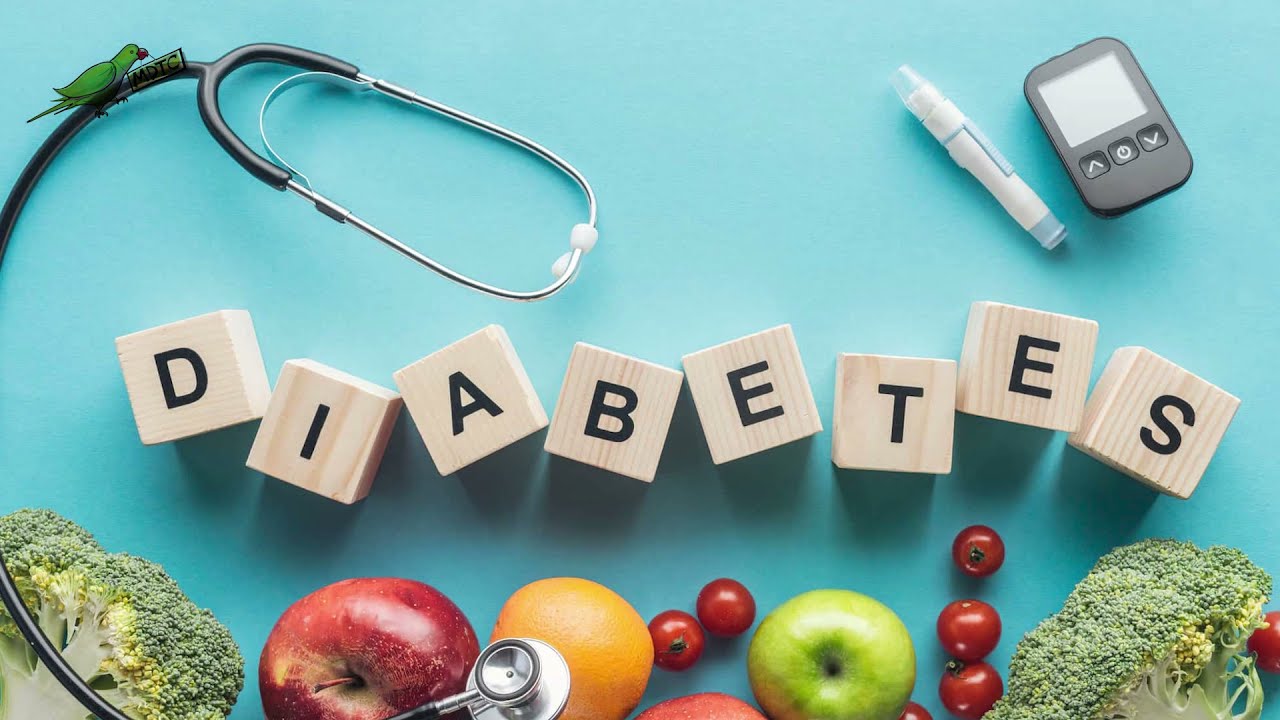
There are many different blood tests, each measuring specific components of your blood. For example, a complete blood count (CBC) measures the number of red blood cells, white blood cells, and platelets in your blood. A glucose test measures the amount of glucose (sugar) in your blood, essential for diagnosing and monitoring diabetes.
Blood tests also monitor chronic medical conditions, such as high blood pressure, kidney disease, and liver disease. Regular blood tests can help your healthcare provider to detect any changes in your blood levels and adjust your treatment plan accordingly.
What Should I Expect Before, During, and After My Blood Test?
Before a Blood Test
Before a blood test, it is essential to follow any instructions provided by your healthcare provider, such as fasting or medication restrictions. Fasting means you should not eat or drink anything except water for a specific period before the test. Failure to follow these instructions can lead to inaccurate test results.
It would help if you also informed your healthcare provider of any medications, supplements, or herbal remedies that you are taking, as they can affect test results. It is also essential to inform your healthcare provider of any medical conditions or allergies that you have.
During a Blood Test
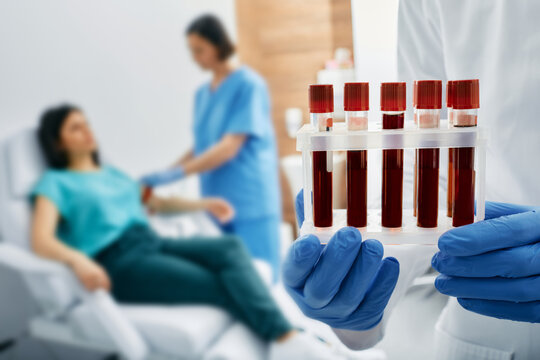
During a blood test, a phlebotomist (a healthcare professional trained to draw blood) will clean the area where they will draw blood with an antiseptic and then insert a needle into a vein, usually in your arm. You may feel a slight pinch or sting when the needle is inserted, but it should not be painful.
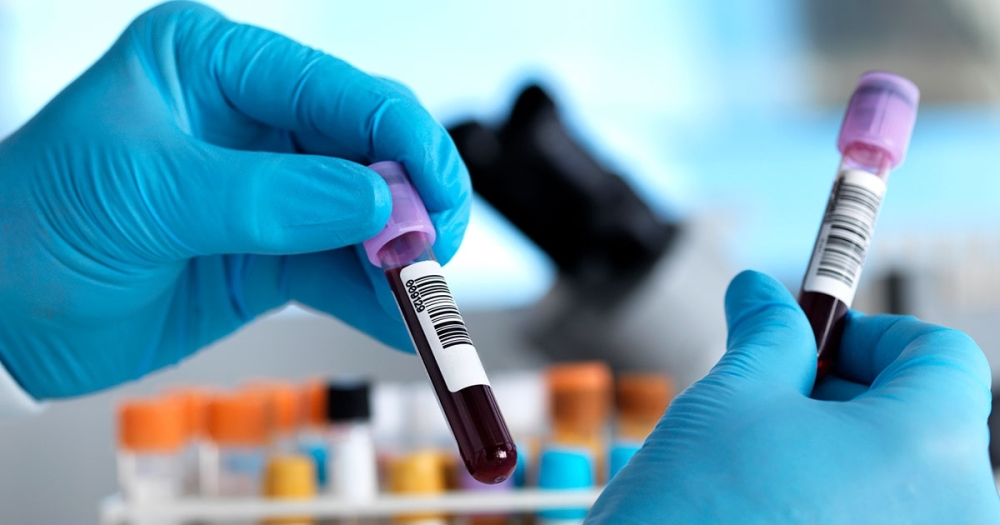
The phlebotomist will collect a small sample of your blood, usually in one or more vials, depending on the type of test that you are having. After collecting blood, the phlebotomist removes the needle and applies pressure to the puncture site to stop bleeding. They may also place a bandage or a piece of cotton over the puncture site. All process usually takes only a few minutes.
After a Blood Test
After a blood test, it is normal to feel a little lightheaded or dizzy. It is important to rest for a few minutes after the test and to drink plenty of water to stay hydrated. If you feel faint or dizzy, inform the phlebotomist immediately.
You may also experience mild bruising, swelling, or pain at the puncture site. This is normal and should go away within 2 to 3 days. You can apply a cold compress to the puncture site to help reduce any swelling or pain.
It is essential to follow any post-test instructions your healthcare provider provides, such as avoiding heavy lifting or strenuous exercise for a specific period. Your healthcare provider will also inform you when to expect the test results and how to access them.
What level of blood sugar is dangerous?….related blog…Read More…
How to Make Your Blood Test as Stress-Free as Possible
Blood tests can be intimidating and stressful for many people, but there are several steps you can take to make the experience as stress-free as possible.
Stay Calm
First, it is important to stay calm and relaxed before and during the test. Stress and anxiety can increase your blood pressure and heart rate, making it more challenging to draw blood. Take deep breaths, listen to calming music, or practice other relaxation techniques to help you stay calm.
Drink Plenty of Water
Drinking plenty of water before the test can help to make your veins more visible and easier to access. It can also help prevent dehydration, affecting your test results. Aim to drink at least 8-10 glasses of water 24 hours before your test.
Eat a Nutritious Meal
It is essential to eat a nutritious meal before your test, especially if you are fasting. Skipping meals or eating a high-sugar or high-fat meal before your test can affect your results. Aim to eat a balanced meal that includes protein, healthy fats, and complex carbohydrates.
Wear Comfortable Clothing
Wear loose-fitting, comfortable clothing that allows easy access to your arm. Avoid tight sleeves or tops that may constrict your arm, making it harder to draw blood.
Conclusion
When it comes to having a blood test, you should always come to the appointment prepared. Knowing what you need to know in advance can help you get the most accurate results and put you at ease. Be sure to ask your doctor any questions you may have ahead of time and to follow their instructions closely.
When it comes to blood tests, being prepared is key. Having all the information you need ahead of time can make the process go smoother and make sure the results you get are as accurate as possible. Don’t worry if you’re still unsure – ask your doctor for more information.
Frequently Asked Questions (FAQs)
1. What is the difference between a clinical laboratory and a pathology laboratory?
A clinical laboratory performs routine tests like blood, urine, and biochemical tests, while a pathology laboratory studies tissues, cells, and biopsies to diagnose diseases. Both labs help doctors understand your health condition more accurately.
2. How should I prepare for a blood test for accurate results?
Follow fasting instructions, stay hydrated, and inform your doctor about medications or supplements. Proper preparation ensures accurate blood test results.
3. Why do doctors recommend fasting before certain blood tests?
Fasting helps maintain stable glucose, cholesterol, and hormone levels. Eating before the test can give false or inaccurate results, affecting your diagnosis.
4. Is drinking water before a blood test allowed?
Yes. Drinking water keeps you hydrated, improves vein visibility, and helps the phlebotomist draw blood easily. It does not affect test results.
5. What should I expect during a blood test at a diagnostic center?
A phlebotomist cleans your arm, inserts a small needle, and collects your blood in vials. The process is quick, safe, and usually completed within a few minutes.
6. Why do I feel dizzy after a blood test?
Mild dizziness can happen due to fasting or stress. Rest for a few minutes and drink water. If dizziness persists, inform the technician or your doctor.
7. How can I make my blood test stress-free?
Stay calm, take deep breaths, wear comfortable clothing, and drink plenty of water before your appointment. This helps reduce anxiety and ensures smooth sampling.
8. Why are regular blood tests important for health?
Regular blood tests help monitor diabetes, thyroid, kidney function, liver health, anemia, and other conditions. Early detection leads to better treatment and prevention.
For more information kindly visit our website: https://sunrisediagnosis.com/
Call Now: 9028801188, 9028566644, 9028566611
Find the clinic here: Get direction
Address: Ground Floor, Shop No. 2, Business Hub Building Opp. Mirch Masala Hotel, Near Vandevi Mandir Karve Road, Karvenagar, Kothrud, Pune, Maharashtra 411038
4.8 Google Ratings and 3085+ Reviews
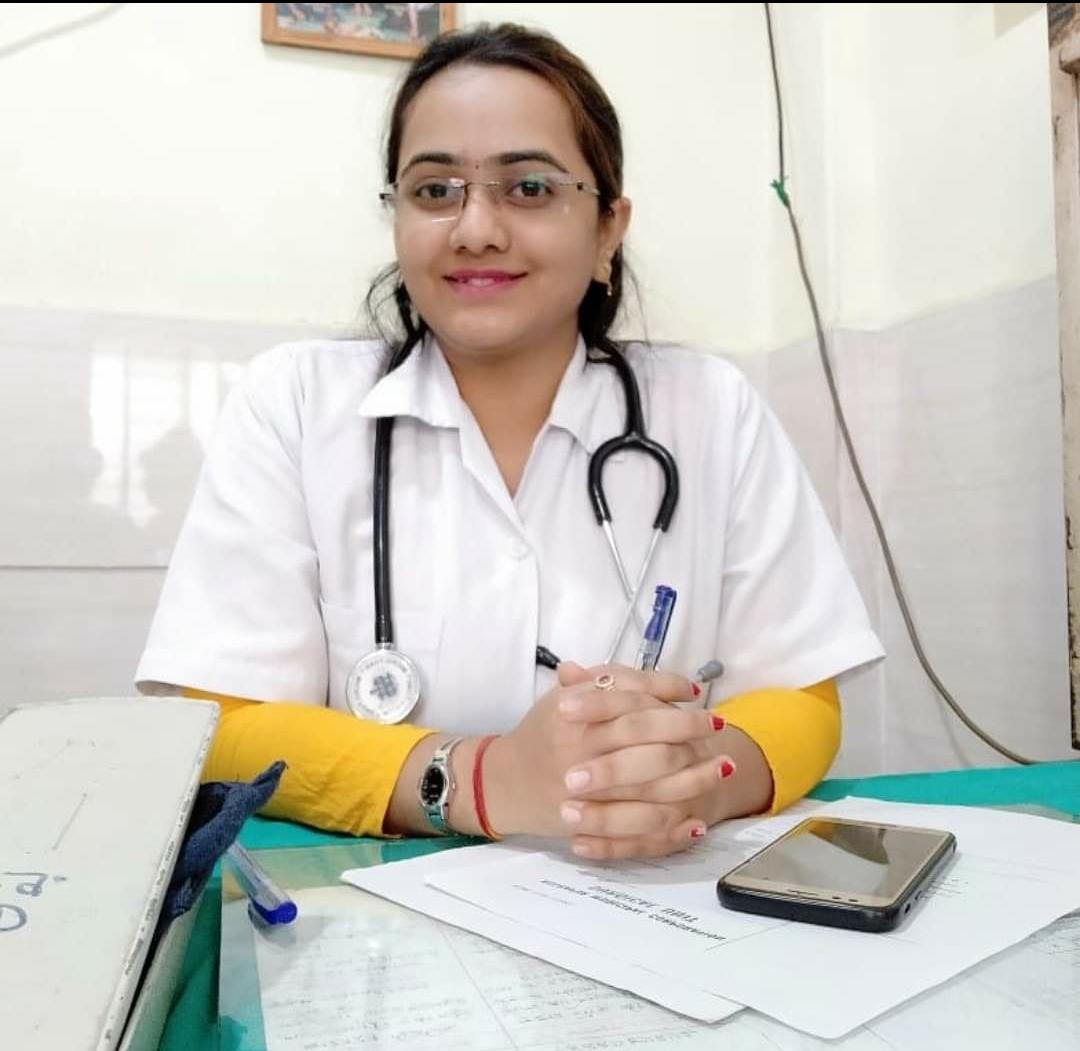
Dr. Karishma Shinde, B.H.M.S (MUHS Nashik) PGD, EMS (RHC Pune and the Director of Sunrise diagnostics Centre along with her team works with a vision of rendering care for the happiness of humankind and freedom from illness.