Millions of individuals throughout the world have diabetes, which is a chronic ailment whose prevalence is on the rise. Managing diabetes effectively is crucial for maintaining a good quality of life. Sunrise Diagnostic Center in Pune is committed to providing you with the knowledge and tools you need to manage diabetes successfully. This blog will explore practical tips to help you lead a healthier life with diabetes.
Table of Contents
Understanding Diabetes
Before delving into the tips, it’s essential to understand the basics of diabetes. Diabetes is a metabolic disorder characterized by elevated blood sugar levels. Two types of diabetes are:
- Type 1 diabetes
- Type 2 diabetes.
Type 1 diabetes is an autoimmune condition where the body’s immune system mistakenly attacks and destroys insulin-producing cells in the pancreas. Type 2 diabetes is primarily related to lifestyle factors such as poor diet, lack of exercise, and obesity.
Key Diagnostic Tests
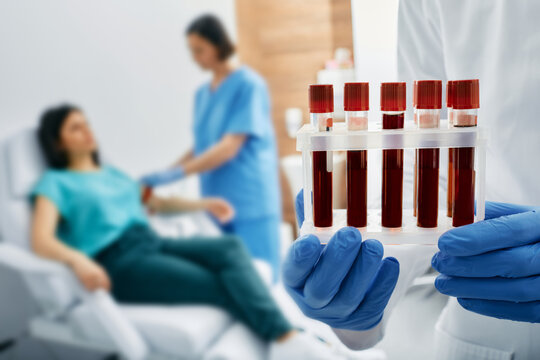
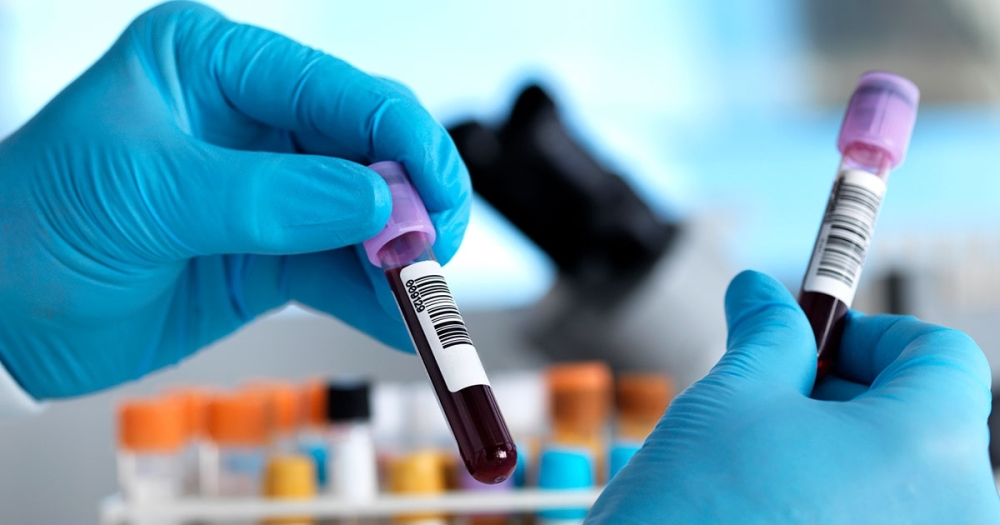
Before we discuss managing diabetes, let’s highlight some essential diagnostic tests offered at Sunrise Diagnostic Center to monitor and control your condition:
- Haemogram (F): This blood test provides information about your overall health, including red blood cell count, white blood cell count, and hemoglobin levels.
- Blood Glucose (F): Measures fasting blood sugar levels, essential for understanding your baseline glucose levels.
- Blood Glucose (PP): Postprandial blood sugar levels, taken after meals, help assess how your body processes sugar.
- Lipid Profile: This test checks your cholesterol levels, including LDL (bad) cholesterol, HDL (good) cholesterol, and triglycerides. High cholesterol can increase the risk of heart disease, a common complication of diabetes.
- Glycosylated Hemoglobin Test (HbA1C): This test provides a three-month average of your blood sugar levels, helping you and your healthcare provider gauge your diabetes control over time.
- SGPT and SGOT: These liver enzymes are measured to evaluate liver function, as diabetes can impact the liver.
- Creatinine: A kidney function test to ensure your kidneys are working properly, as diabetes can lead to kidney problems.
- Urine Routine with Microscopy: This test examines your urine for any abnormalities, including sugar and protein, which can indicate kidney or bladder issues.
Read More: Convenience and Safety: The Advantages of Home Visit Blood Test in Pune
Tips for Managing Diabetes
Now, let’s dive into practical tips for managing diabetes.
- Consult with Healthcare Professionals:
Your healthcare team is your most valuable resource in managing diabetes. Consult your doctor, endocrinologist, and dietitian to create a personalized diabetes management plan. They can help you set achievable goals, adjust medications, and make necessary lifestyle changes.
- Monitor Blood Sugar Levels:
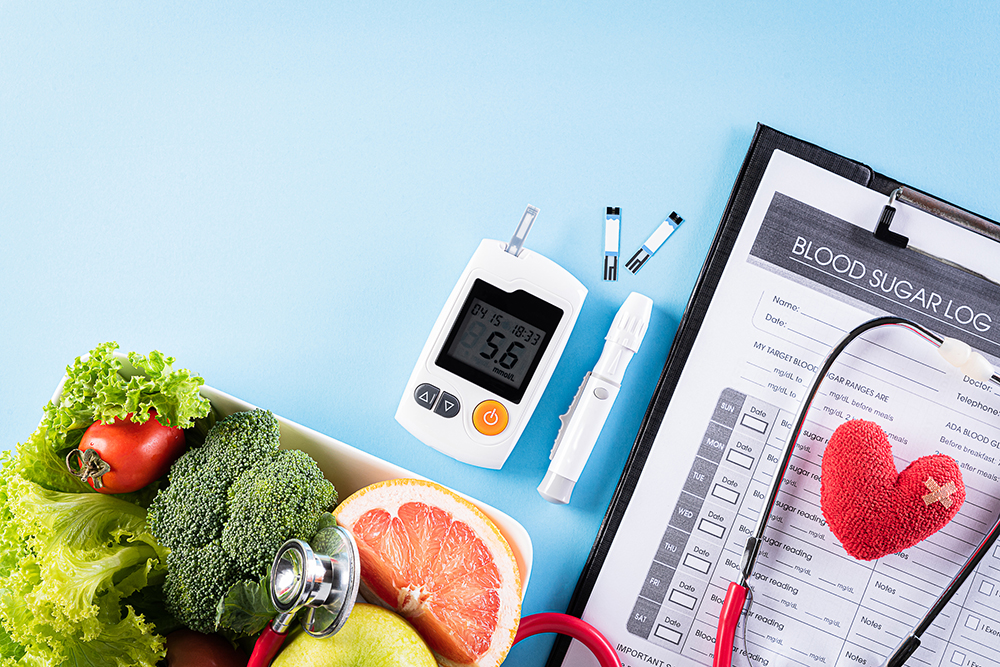
It’s critical to regularly check your blood sugar levels. Use a glucose meter to track your levels before and after meals, as well as at bedtime. This information helps you make informed diet, exercise, and medication decisions.
- Maintain a Healthy Diet:
A balanced diet is fundamental in managing diabetes. Focus on:
- Eating various whole foods, including fruits, vegetables, lean proteins, and whole grains.
- Monitoring carbohydrate intake and spreading it evenly throughout the day.
- Limiting sugary and processed foods.
- Paying attention to portion sizes.
- Regular Exercise:
The treatment of diabetes depends heavily on physical exercise. Plan for 150 minutes or more per week of physical activity at a moderate level. Walking, swimming, and cycling can help improve insulin sensitivity and control blood sugar levels.
- Medication Management:
Take any given medication exactly as your doctor has instructed. Some people with diabetes may require insulin injections, while others can manage their condition with oral medications. Be sure to follow your treatment plan diligently.
- Stress Management:
Chronic stress can affect blood sugar levels. Incorporate stress-reduction techniques like deep breathing, meditation, yoga, or hobbies that you enjoy to help manage stress effectively.
- Get Adequate Sleep:
Quality sleep is essential for overall health and diabetes management. Sleep well for 7-9 hours each night. Blood sugar regulation might be hampered by poor sleep.
- Regular Check-ups:
Schedule regular check-ups and follow-ups with your healthcare team. This ensures that any changes in your condition can be addressed promptly.
- Stay Hydrated:
To keep hydrated, sip on water frequently throughout the day. Avoid sugary beverages like soda and excessive caffeine, which can affect blood sugar levels.
- Educate Yourself:
Knowledge is power. Educate yourself about diabetes, its complications, and how to manage it effectively. Attend diabetes education programs, read reputable sources, and stay informed about the latest advancements in diabetes care.
Conclusion
Managing diabetes is a lifelong journey, but it’s manageable with the right resources and support. Sunrise Diagnostic Center in Pune is your partner in this journey, offering essential diagnostic tests and expert guidance. By following these practical tips and working closely with your healthcare team, you can lead a healthier, more fulfilling life despite diabetes. Keep in mind that you can manage your health and well-being.
Frequently Asked Questions (FAQs)
1. What is the best way to manage diabetes daily?
Daily diabetes management includes monitoring blood sugar, eating a balanced low-GI diet, regular exercise, taking prescribed medicines, and going for routine diagnostic tests. These steps help maintain stable glucose levels and prevent complications.
2. Why is the HbA1c test important for diabetes control?
The HbA1c test shows your 3-month average blood sugar levels, helping track long-term diabetes control. It guides your doctor in adjusting your treatment plan effectively.
3. How often should I monitor my blood sugar levels?
Most people with diabetes should check their blood sugar before meals, after meals, and at bedtime. Your doctor may recommend a customized monitoring schedule based on your condition.
4. Which diagnostic tests are essential for diabetes management?
Key diabetes tests include Fasting Blood Glucose, Postprandial Glucose, HbA1c, Lipid Profile, Creatinine, SGPT/SGOT, and Urine Routine. These tests help monitor blood sugar, heart health, liver function, and kidney health.
5. What foods should diabetics avoid?
People with diabetes should limit sugary foods, refined carbs, junk foods, fried items, and sweetened beverages. Choosing high-fiber, whole-grain, low-GI foods helps keep glucose levels stable.
6. Can exercise help reduce blood sugar naturally?
Yes. 150 minutes of moderate physical activity per week—like walking, cycling, or swimming—helps improve insulin sensitivity and naturally lowers blood sugar levels.
7. How does stress affect diabetes?
Stress raises cortisol levels, which can increase blood sugar. Relaxation techniques like yoga, meditation, breathing exercises, and hobbies help maintain healthy glucose levels.
8. Why is regular check-up important for diabetic patients?
Regular check-ups at a diagnostic center help detect early signs of complications affecting the heart, kidneys, liver, eyes, and nerves. Early detection ensures better diabetes control and long-term health.
For more information kindly visit our website: https://sunrisediagnosis.com/
Call Now: 9028801188, 9028566644, 9028566611
Find the clinic here: Get direction
Address: Ground Floor, Shop No. 2, Business Hub Building Opp. Mirch Masala Hotel, Near Vandevi Mandir Karve Road, Karvenagar, Kothrud, Pune, Maharashtra 411038

Dr. Karishma Shinde, B.H.M.S (MUHS Nashik) PGD, EMS (RHC Pune and the Director of Sunrise diagnostics Centre along with her team works with a vision of rendering care for the happiness of humankind and freedom from illness.